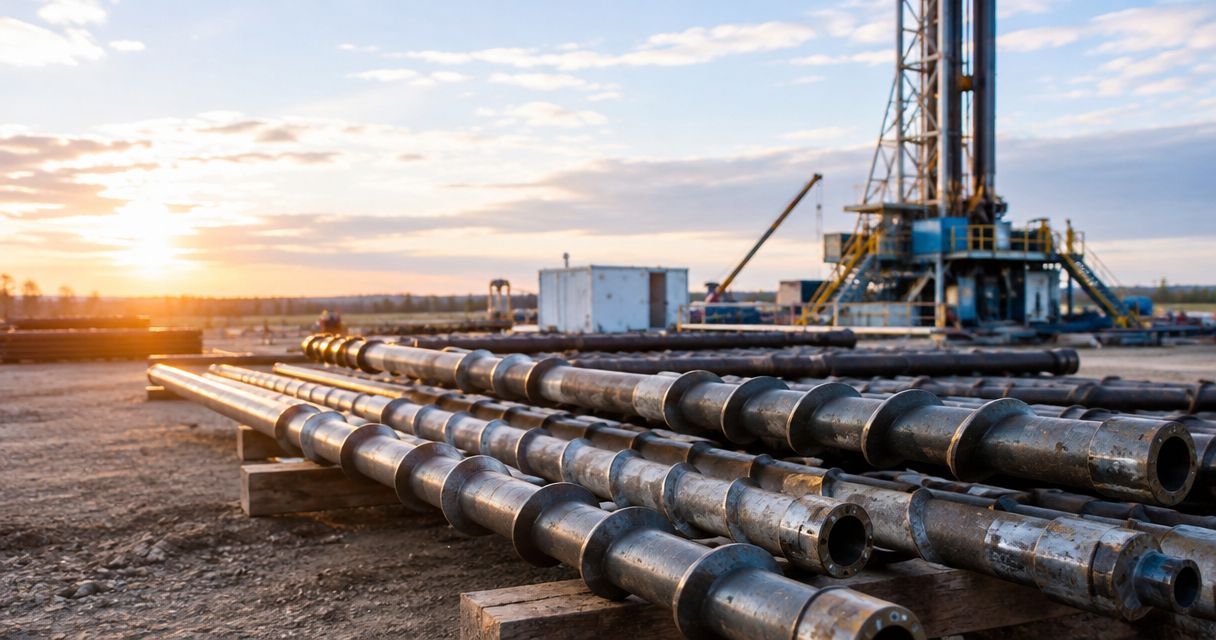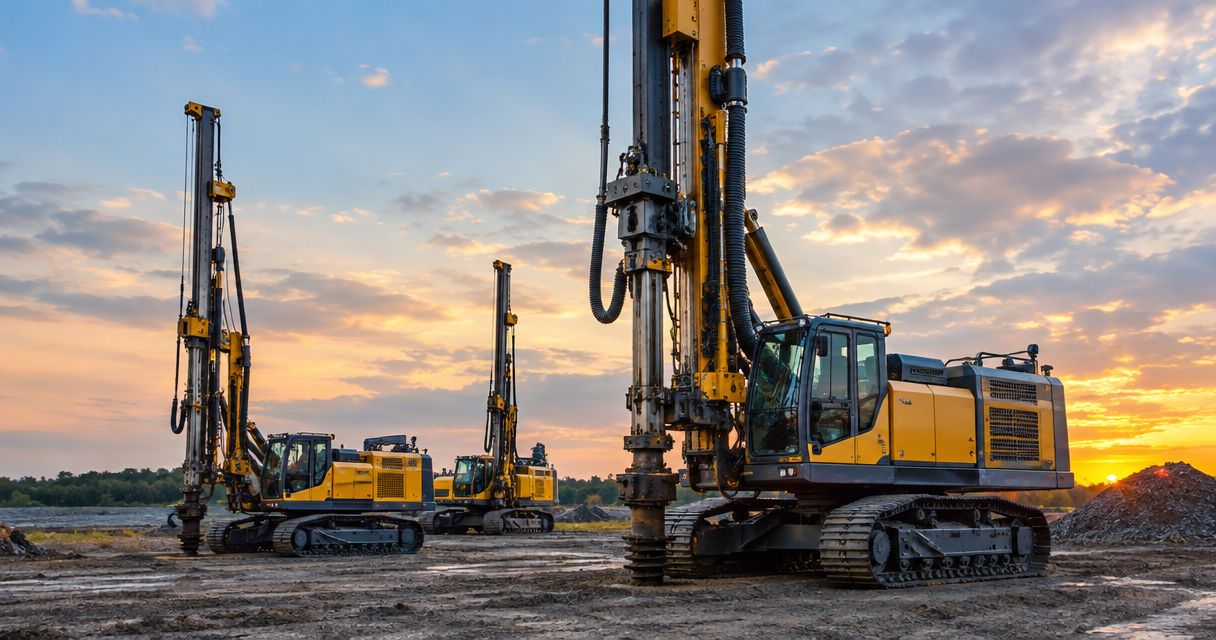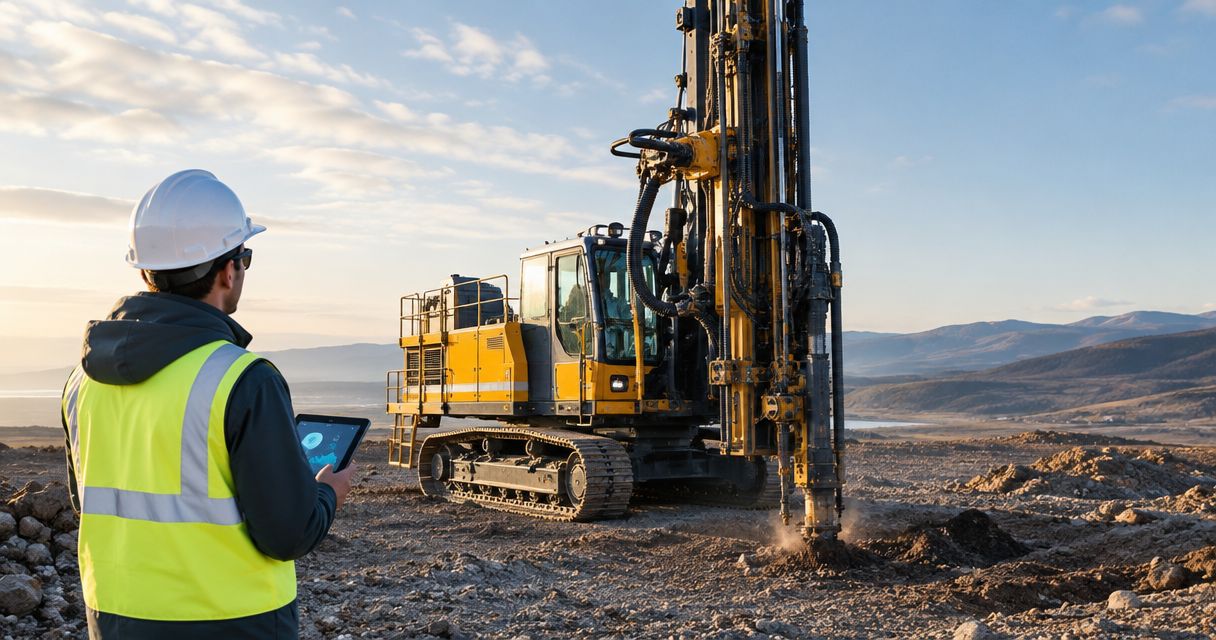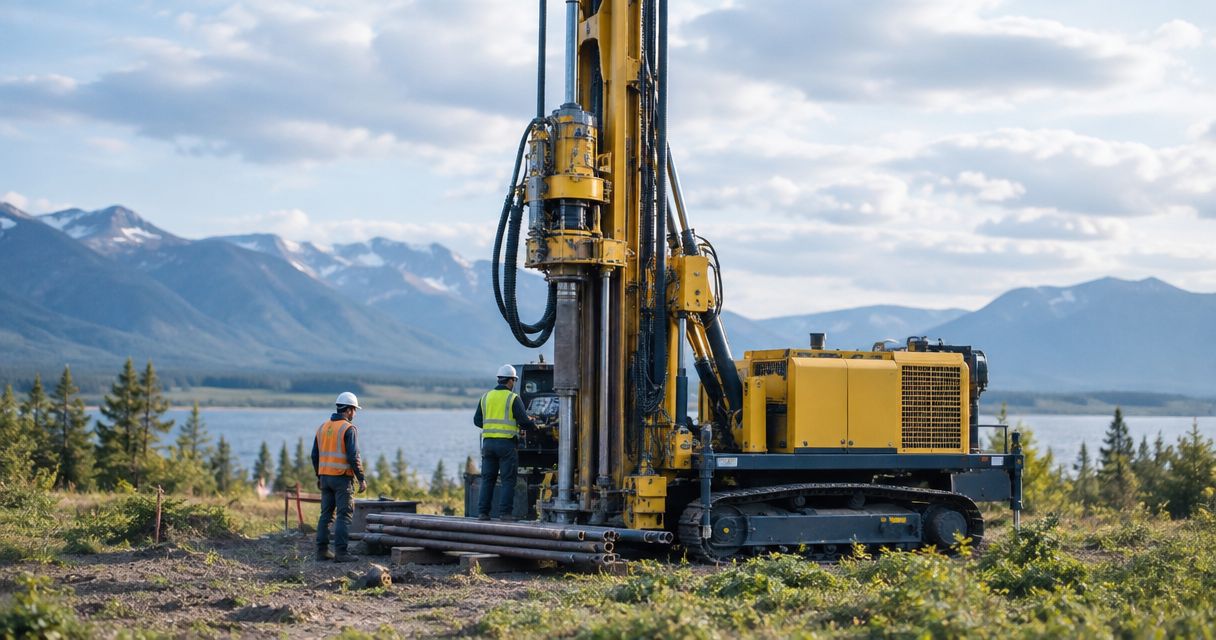
Best overall: a documented, job-matched used Diedrich rig. Best for restricted sites: an access-matched configuration. Best for retaining equipment you know: a remount candidate. This 2026 guide ranks buying profiles for diedrich drill rigs rather than treating a model name as proof of environmental-drilling suitability; Drillrigmarketplace helps environmental contractors buy, sell, inspect, repair, and rebuild used drilling equipment.
- For diedrich drill rigs, choose documented condition and environmental-drilling compatibility before choosing a model name.
- A job-matched used Diedrich rig is the default choice for an environmental contractor replacing equipment.
- Restricted-site buyers should screen access and working clearance before evaluating drilling capability.
- A remount or rebuild belongs on your shortlist only after inspection defines the work required.
Why this matters
Environmental drilling starts with a sampling or installation requirement, not a preferred badge. Your rig must support the specified method, reach the work area, and operate with the tooling your project requires. A familiar manufacturer does not answer those questions.
For a 2026 equipment purchase, separate the drilling machine from its carrier, tooling, and condition. Each affects whether the complete package fits your work. An acceptable drill mounted on an unsuitable carrier is still the wrong purchase.
Drillrigmarketplace is a used-drilling-equipment marketplace and service company for contractors buying, selling, repairing, or rebuilding environmental drill rigs. Its repair and rebuild facility is in Beaver, West Virginia, and its stated market includes the United States and Canada.
What makes the best Diedrich drill rigs?
Use these criteria before comparing listings. They apply to the actual machine offered, not just its model designation.
- Method fit: Confirm that the rig's installed configuration supports the drilling and sampling methods required by your project specifications.
- Tooling compatibility: Check the connection between the machine, augers, drill rod, casing, and sampling equipment. Do not assume included tooling fits your existing equipment.
- Site access: Compare the carrier and working arrangement with entry routes, ground conditions, overhead obstructions, and the space needed to operate.
- Mechanical condition: Inspect hydraulic, electrical, drivetrain, structural, and safety systems. Cosmetic appearance is not a substitute for an operational assessment.
- Documented history: Review maintenance records, repairs, modifications, and identification information. Distinguish written evidence from a seller's description.
- Return-to-work scope: Identify inspections, repairs, tooling, transportation, and any remount work before committing to the purchase.
These criteria create three practical checks: project fit, equipment condition, and deployment readiness. Keep them separate. A machine can pass a mechanical inspection while still failing your access or sampling requirements.
Diedrich buying options at a glance
The options below are purchase profiles, not named Diedrich models. A single listing can fit more than one profile; choose the one that addresses your main constraint.
| Rank and option | Best for | Standout feature | Key limitation |
|---|---|---|---|
| 1. Documented, job-matched used rig | Replacing equipment for a defined environmental workload | Method, tooling, and condition are evaluated together | Records alone do not establish current condition |
| 2. Access-matched configuration | Projects with restricted entry or working space | Site feasibility leads the selection | Access suitability does not prove drilling suitability |
| 3. Remount candidate | Keeping a suitable drilling unit while changing its carrier | Separates drilling-unit needs from carrier needs | Requires a defined installation and inspection scope |
| 4. Rebuild candidate | Contractors planning equipment refurbishment | Repair needs become a written work package | Unresolved defects make the purchase difficult to assess |
1. Documented, job-matched used rig: best for routine replacement
A documented, job-matched Diedrich rig is the default buying profile for an environmental contractor replacing equipment. Start with the work you already perform, then evaluate whether the offered machine supports that work in its present configuration.
Documentation should identify the machine, describe maintenance and repairs, and explain material modifications. Pair those records with inspection. Neither paperwork nor a demonstration replaces the other.
Documented, job-matched used rig pros
- Gives you a direct comparison with your existing drilling and sampling requirements.
- Makes included tooling and missing equipment part of the purchase decision.
- Allows inspection findings to be checked against maintenance history.
- Keeps the discussion focused on the complete working package.
Documented, job-matched used rig cons
- Maintenance records describe past work, not necessarily present condition.
- A familiar model designation does not establish identical controls, tooling, or modifications.
- An operating demonstration does not prove suitability for every proposed project.
Best for: Environmental contractors with a defined workload and an equipment-replacement requirement.
Ask the seller to distinguish the drilling unit, carrier, and included tooling in writing. Then have the proposed methods reviewed against the actual configuration. This prevents a usable machine from being mistaken for a complete package.
Verdict: Buy only after project fit and current condition are confirmed.
2. Access-matched configuration: best for restricted sites
An access-matched Diedrich configuration puts the jobsite ahead of the model shortlist. Screen the route to the drilling location and the space needed to work before spending time on deeper equipment evaluation.
Entry clearance and working clearance are different requirements. A rig that reaches the location still needs room for setup, mast movement, tooling handling, and safe operation. Review those requirements against the specific machine.
Access-matched configuration pros
- Eliminates unsuitable carriers and layouts early in the search.
- Connects equipment selection to actual site restrictions.
- Encourages review of tooling handling and working space before mobilization.
Access-matched configuration cons
- Passing through an entrance does not establish a safe working arrangement.
- Carrier suitability does not confirm sampling-method compatibility.
- An access-focused choice still needs a complete mechanical inspection.
Best for: Environmental contractors whose primary constraint is reaching and operating at the drilling location.
For a restricted-site purchase in 2026, give the seller measured access requirements rather than a description such as tight site. Include overhead obstacles, turning constraints, and the intended operating area. Have the contractor responsible for the work confirm the proposed setup.
Do not assume a carrier type solves every access problem. The complete arrangement matters, including attachments and how the machine will be positioned.
Verdict: Buy only when both access and working clearance fit the project.
3. Remount candidate: best for retaining a suitable drilling unit
A Diedrich remount candidate separates the condition of the drilling unit from the suitability of its carrier. This profile fits a contractor who wants to retain a drilling unit while evaluating a different mounting arrangement.
A remount is an installation project, not simply a carrier swap. Define the proposed carrier, mounting work, connections, controls, and inspection requirements before deciding whether the project makes sense.
Remount candidate pros
- Keeps a suitable drilling unit in the equipment plan.
- Addresses carrier requirements without automatically replacing the entire package.
- Creates an opportunity to document installation work and associated repairs.
Remount candidate cons
- A sound drilling unit does not establish that the proposed carrier is suitable.
- Installation work needs its own scope and acceptance criteria.
- Existing mechanical defects remain relevant after the remount.
Best for: Equipment owners whose drilling unit fits their work but whose carrier requires a separate decision.
Drillrigmarketplace lists truck remounts, fabrication, hydraulic-system repairs, and electrical and safety-system repairs among its services. Those services address different parts of a remount project; specify which work your machine requires rather than treating them as an automatic package.
Review the drilling unit before approving the mounting work. Otherwise, you risk planning an installation around equipment that also needs substantial repair.
Verdict: Hold until the drilling-unit inspection and remount scope are complete.
4. Rebuild candidate: best for planned refurbishment
A Diedrich rebuild candidate is a used machine selected with repair work explicitly included in the plan. The central question is not whether it runs during a demonstration. It is whether inspection can define the work needed for your intended use.
Separate required repairs from cosmetic refurbishment. Hydraulic, electrical, drivetrain, structural, and safety findings belong in the assessment before sandblasting or painting enters the discussion.
Rebuild candidate pros
- Makes known defects part of a written decision rather than an after-purchase surprise.
- Allows repairs and refurbishment to be organized by system.
- Gives you acceptance criteria for the completed work.
Rebuild candidate cons
- An incomplete inspection leaves the repair scope unresolved.
- New paint does not demonstrate mechanical condition.
- Refurbishment does not establish compatibility with your environmental-drilling methods.
Best for: Contractors planning a defined refurbishment project rather than an immediate equipment replacement.
For a 2026 rebuild decision, request a system-by-system scope that distinguishes required work, optional work, and findings needing further assessment. Ask what inspection or operational checks will establish completion.
Drillrigmarketplace provides drill rig inspections, repairs, complete rebuilds, preventive maintenance, and equipment refurbishment. Specify the required service scope for your machine; those service categories do not establish what any individual rig needs.
Verdict: Hold until inspection turns the rebuild into a defined work package.
How to evaluate a used Diedrich rig before committing
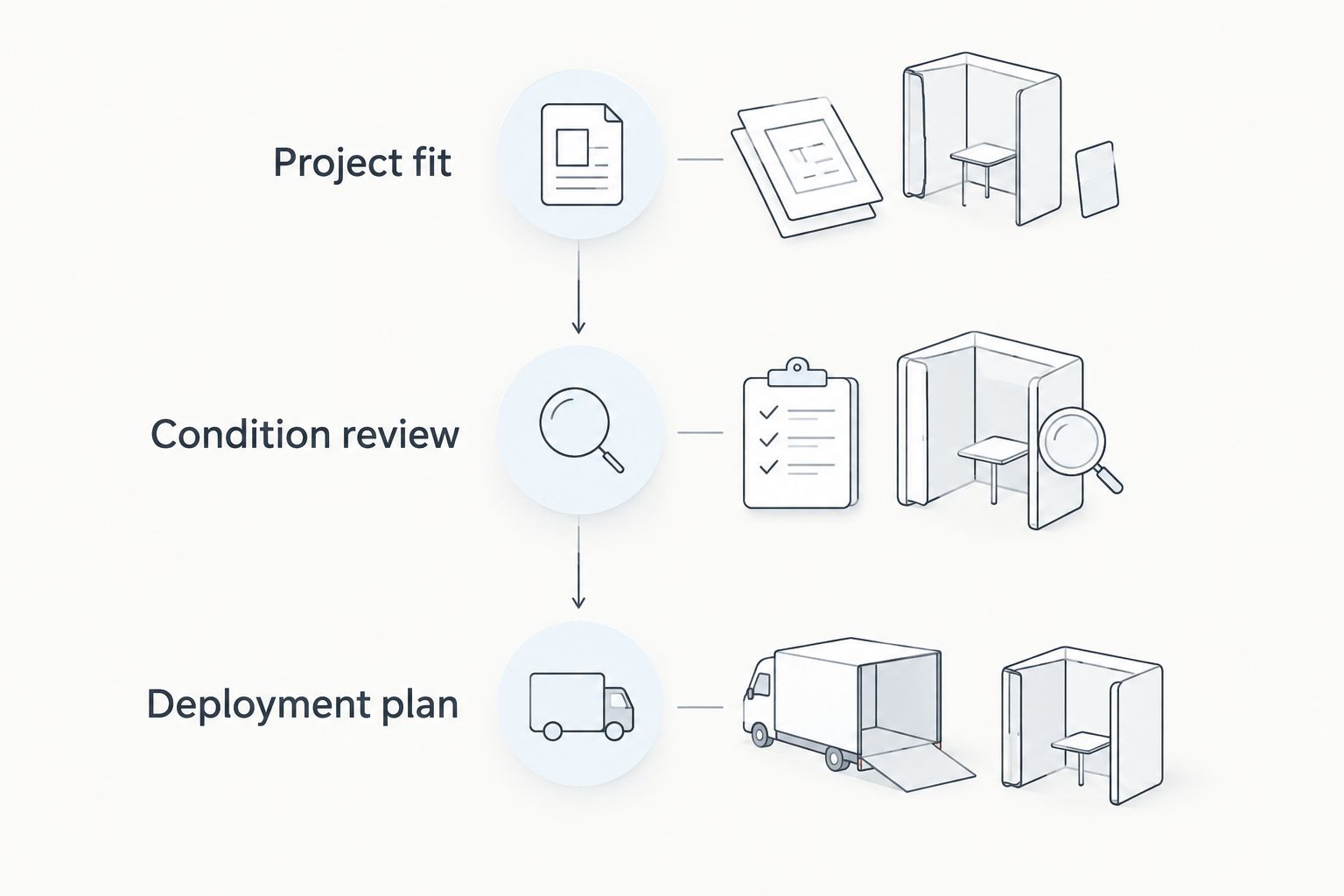
Use two decision stages: confirm project fit, then assess condition and deployment requirements. Keep a written record of both. A positive answer in one stage must not conceal an unresolved issue in the other.
Project fit
Write down the proposed drilling methods, sampling equipment, casing requirements, and site restrictions. Identify the tooling you own and the tooling offered with the rig. Have the actual equipment configuration checked against that list.
Condition review
Request maintenance records and a qualified inspection. Record leaks, repairs, modifications, control issues, and safety-system findings by system. Where an operating demonstration is appropriate, have qualified personnel conduct it under suitable conditions.
Deployment plan
List the work required before mobilization: repairs, tooling, transport arrangements, carrier work, and project-specific checks. Assign responsibility for each item. Do not leave the difference between purchased and ready to deploy undefined.
Your purchase agreement should identify the equipment and included components clearly. Resolve inspection access, the repair scope, and responsibility for transportation before accepting the package. Keep the final decision tied to written findings rather than appearance.
Plan your used rig purchase
Explore used drilling equipment and inspection, repair, rebuild, and remount services.
How the buying profiles are ranked
The ranking prioritizes a defined job match, documented condition, and a clear path to deployment. The documented used-rig profile comes first because it starts with the complete equipment requirement. The access profile moves ahead when site restrictions are the controlling issue.
Remount and rebuild candidates require additional project definition. They are not inferior machines by definition, but they are different buying decisions. Evaluate the proposed work alongside the equipment itself.
Which Diedrich drill rig should you choose?
Choose a documented, job-matched used Diedrich rig unless a specific access, carrier, or refurbishment requirement changes the decision. Build the shortlist around your environmental workload, not a general model ranking.
For your 2026 purchase, reject any option whose unresolved requirements you cannot describe clearly. A useful shortlist tells you what each machine can support, what needs inspection, and what must happen before deployment. A list of model names does not.
FAQ
What's the best Diedrich drill rig for environmental drilling?
The best Diedrich drill rig is a machine whose actual configuration, tooling, condition, and access requirements match your environmental project. Start with a documented, job-matched used rig, then assess any site or carrier constraints.
Should I choose a Diedrich rig by model number?
Do not choose a used Diedrich rig by model number alone. Inspect the specific machine and verify its installed equipment, modifications, tooling, and maintenance history.
What should I check before buying a used environmental drill rig?
Check project fit, equipment condition, and deployment requirements before buying a used environmental drill rig. Review sampling-method compatibility, tooling, site access, mechanical systems, repairs, and transportation responsibilities.
Is a remount better than replacing the whole drill rig?
A remount is the relevant option when you want to retain a suitable drilling unit while changing its carrier. Compare a defined remount scope with a replacement package after inspecting the drilling unit.
Should I buy a Diedrich rig that needs rebuilding?
Consider a rebuild candidate only after inspection defines the required work. Separate mechanical and safety repairs from cosmetic refurbishment, and specify how completed work will be assessed.
Does fresh paint mean a used drill rig is ready for work?
Fresh paint does not establish that a used drill rig is ready for work. Readiness depends on its condition, safety systems, tooling compatibility, and suitability for the intended project.
Can Drillrigmarketplace help inspect or repair a used Diedrich rig?
Drillrigmarketplace specializes in used drilling equipment, including Diedrich, and provides inspections, repairs, rebuilds, and truck remounts. Its repair and rebuild facility is in Beaver, West Virginia.
One last thing
Before signing for a used rig in 2026, ask for an itemized tooling list. Treat the drilling machine and the tools needed for your first project as separate checks. A rig that matches the drilling method is not yet a complete working package if the required augers, rod, casing, or sampling equipment are missing from your plan.