Best overall for Acker drilling: an inspected used Acker rig matched to your exploration program. For your 2026 shortlist, favor a verified track-mounted configuration when access controls the job, a verified truck-mounted configuration when road moves matter most, and a documented rebuild candidate when you can plan repairs before deployment.
- For Acker drilling, choose an inspected, job-matched rig before choosing a carrier configuration.
- Track-mounted and truck-mounted candidates need separate access, transport, tooling, and condition checks.
- Drillrigmarketplace serves used Acker buyers and owners who need drill rig repair or rebuild support.
- Hold any exploration drilling purchase until configuration, inspection records, and repair scope support the intended work.
Why this matters
A used exploration rig is a drilling system, not just a manufacturer badge. The machine, carrier, tooling, and repair condition all have to suit your work. A familiar name does not establish that a particular unit can deliver your required sample or reach your intended target.
Drillrigmarketplace is a sourcing option for used Acker drilling equipment buyers who also need inspection, repair, or rebuild support. Its Drillrigmarketplace marketplace and service business covers used drill rigs, brokerage, tooling sourcing, and a repair facility in Beaver, West Virginia.
This 2026 guide ranks buying configurations rather than treating every Acker model as interchangeable. Each recommendation has a distinct purpose. Use it to decide which type of candidate deserves an inspection, then evaluate the actual machine against your exploration specification.
What makes the best Acker drilling setup?
Put these criteria ahead of the model name:
- Sampling fit: Define the sample you need, the drilling method, and the tooling required to obtain it. Confirm that the individual rig supports that combination.
- Documented configuration: Identify the rig, carrier, power unit, controls, and installed equipment. Separate original specifications from later modifications.
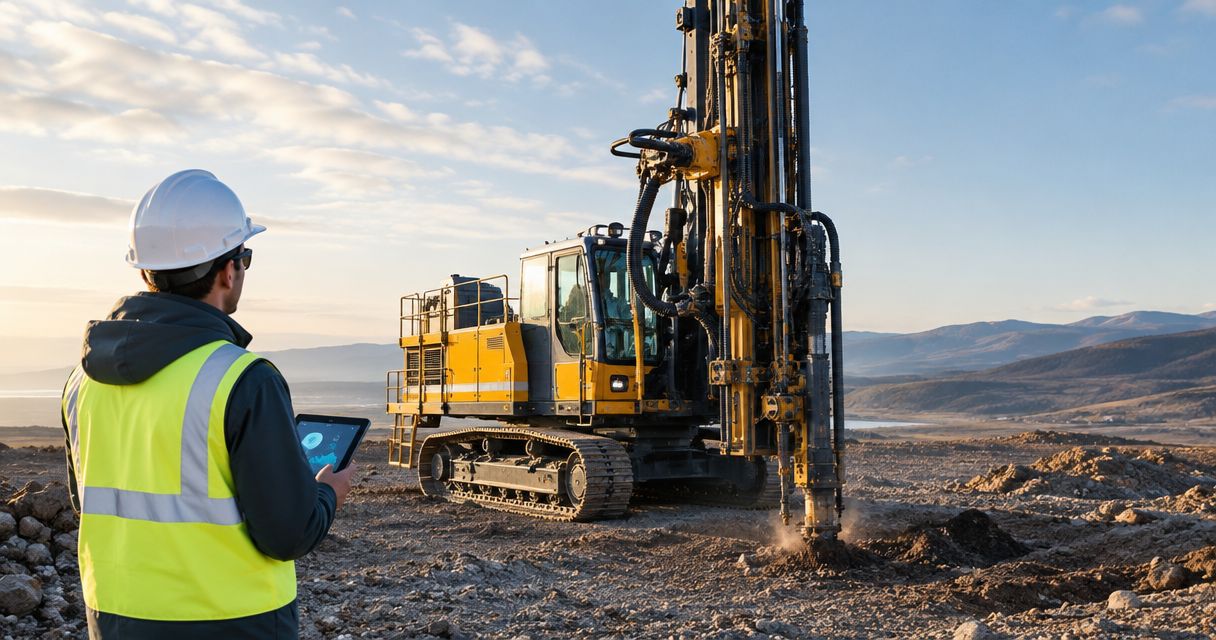
- Operating condition: Review the hydraulic, electrical, drivetrain, and safety systems. Require a qualified inspection and an appropriate operating demonstration.
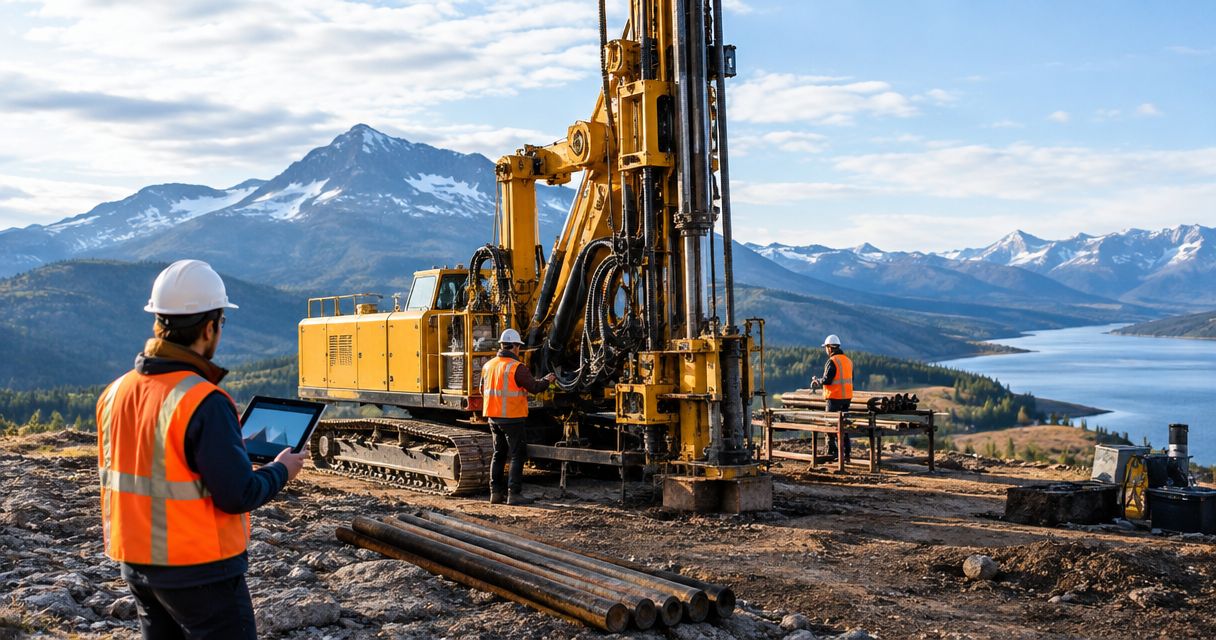
- Site access: Compare the carrier with your terrain, working area, access restrictions, and transport arrangements. Treat road travel and movement around the site as separate questions.
- Repair scope: Establish what needs attention before deployment, what can wait, and which replacement components require sourcing.
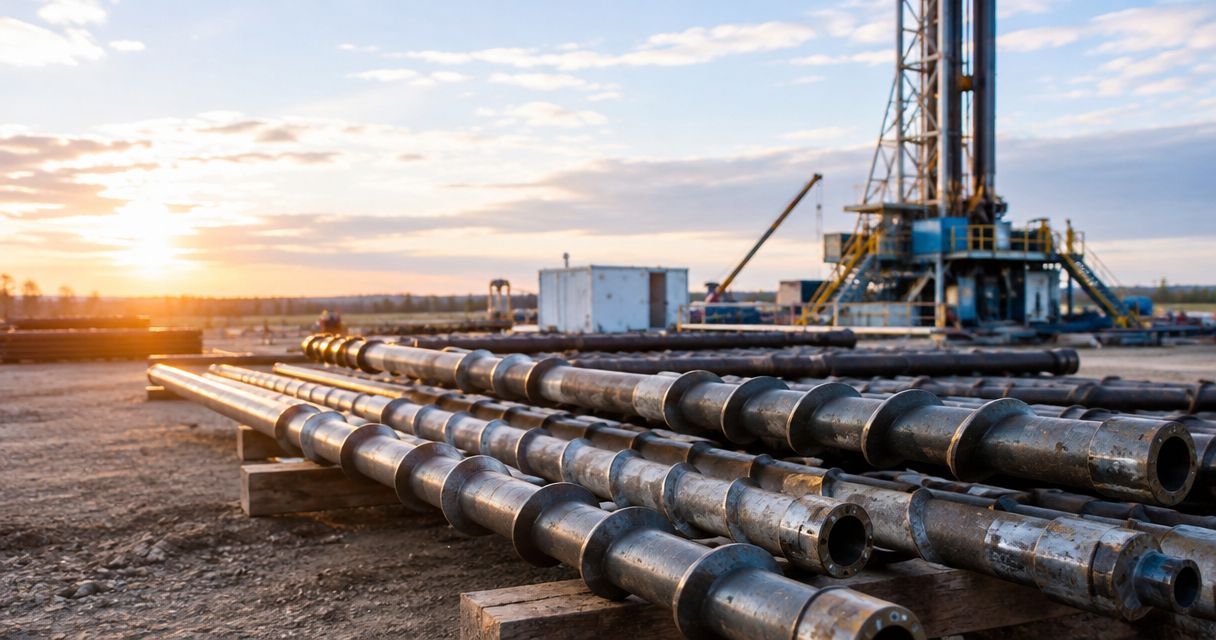
- Complete drilling package: Check drill rod, casing, sampling equipment, fluid-handling equipment, and handling arrangements against the job. Do not assume accessories accompany the rig.
For a 2026 purchase decision, write down your required depth, borehole diameter, and sample specification before reviewing candidates. Those requirements belong in the inspection brief; they are not figures you should infer from photographs.
Best Acker drilling configurations at a glance
The order below prioritizes verified job fit, then separates candidates by access, mobilization, and refurbishment needs. A carrier label describes a buying configuration—not a claim that every Acker model supports it.
| Rank and option | Best for | Standout decision factor | Key limitation |
|---|---|---|---|
| 1. Inspected, job-matched Acker rig | Exploration contractors with a defined drilling program | Configuration and condition checked against the intended work | Inspection does not replace application-specific verification |
| 2. Verified track-mounted Acker candidate | Projects where access determines the shortlist | Carrier suitability assessed against actual site conditions | Tracks alone do not establish access or drilling capability |
| 3. Verified truck-mounted Acker candidate | Programs organized around road-linked work sites | Rig and road vehicle evaluated as one working package | Vehicle condition adds a separate inspection requirement |
| 4. Documented Acker rebuild candidate | Owners planning refurbishment before deployment | Repair scope established before committing to the project | Unresolved defects prevent a dependable deployment plan |
1. Inspected Acker rig: best for a defined exploration program
An inspected, job-matched Acker rig is the default choice when you already know what the exploration program requires. The recommendation concerns the individual machine: its installed equipment, condition, and compatibility with your drilling method. It is not a blanket endorsement of a model family.
Start with the sample requirement. Then work backward through tooling, circulation or flushing arrangements, rod handling, and the machine's documented operating capabilities. Ask a qualified inspector to connect those requirements to the actual equipment rather than simply report that the engine starts.
Inspected Acker rig pros
- Keeps the purchase decision tied to the intended exploration work.
- Makes configuration differences visible before you commit.
- Separates immediate repair needs from the drilling specification.
- Gives your crew a clearer basis for preparing tooling and mobilization.
Inspected Acker rig cons
- A general condition inspection does not establish suitability for every drilling method.
- Missing service history or undocumented modifications still require investigation.
Best for: Exploration contractors with a written scope and a clear sample specification.
For your 2026 shortlist, request 3 record groups: machine identification, service history, and configuration documentation. Keep seller statements separate from inspection findings. Where records conflict with the equipment, resolve the discrepancy before approving the purchase.
Verdict: Buy only after the inspection and documented configuration support your intended work.
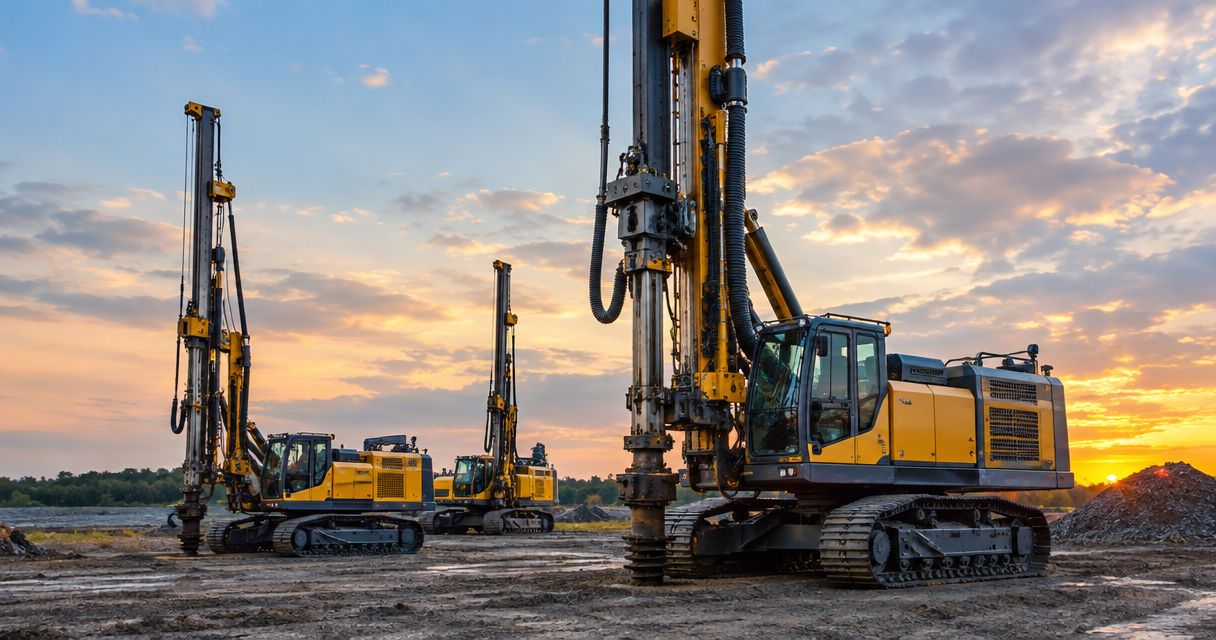
2. Track-mounted Acker candidate: best for access-led projects
A verified track-mounted Acker candidate belongs on your shortlist when access requirements shape the equipment decision. Evaluate the specific carrier, not the word tracked. Site gradients, ground conditions, clearance, turning space, and transport arrangements still need review.
Confirm how the rig is mounted and how the carrier interacts with the drilling equipment. Modifications, stabilizing arrangements, and equipment placement deserve particular attention. A carrier that reaches a location must also permit the required working setup there.
Track-mounted Acker candidate pros
- Makes site access an explicit selection criterion.
- Lets you assess carrier and drilling equipment together.
- Supports a focused review of working position, clearance, and transport needs.
Track-mounted Acker candidate cons
- A tracked carrier does not prove suitability for a particular slope or ground condition.
- Transport logistics remain a separate requirement from movement around the site.
- Carrier wear adds another repair question to the drilling-system inspection.
Best for: Exploration projects where the access assessment excludes otherwise suitable candidates.
Build the access brief before inspecting the machine. Include the route to the work area, the available setup space, and any restrictions imposed by the site owner. Have the responsible site and equipment specialists assess the candidate against that brief.
For a 2026 project, do not substitute photographs of previous jobs for your own access assessment. Different terrain and a different equipment configuration require a fresh decision.
Verdict: Hold until the carrier, transport plan, and working setup pass the site-specific review.
3. Truck-mounted Acker candidate: best for road-linked programs
A verified truck-mounted Acker candidate suits a buying process organized around road access and repeated mobilization. Evaluate the drilling equipment and vehicle as a combined package. A sound drill system does not settle the condition of the truck beneath it.
Inspect the mounting arrangement, frame condition, drivetrain, and interfaces between the vehicle and rig. Check the applicable road-use requirements for the jurisdictions where you intend to operate. Keep road readiness distinct from readiness to drill.
Truck-mounted Acker candidate pros
- Aligns the carrier review with a road-linked work program.
- Encourages a combined inspection of the vehicle and drilling equipment.
- Makes remount history and mounting condition part of the purchase decision.
Truck-mounted Acker candidate cons
- Truck repairs can remain necessary even when the drilling equipment operates.
- Road access does not guarantee adequate positioning at the borehole location.
- An undocumented remount requires further review before acceptance.
Best for: Contractors whose exploration locations have suitable road access and working areas.
Request records for both the rig and the carrier. If a truck remount has occurred, identify the work performed and have the mounting arrangement assessed. Drillrigmarketplace lists truck remounts, drivetrain repairs, fabrication, and drill rig inspections among its services.
During a 2026 purchase review, ask for 2 inspection stages: a static assessment followed by an appropriate controlled operating demonstration. The qualified inspector should define the demonstration conditions and safety precautions; the buyer should not improvise a load test.
Verdict: Buy only when both the road vehicle and drilling system meet the intended operating requirements.
4. Acker rebuild candidate: best for planned refurbishment
A documented Acker rebuild candidate fits an owner who can complete refurbishment before putting the machine into an exploration program. The appeal is a defined repair project—not an assumption that an older machine needs only cosmetic work. Establish the mechanical scope before considering appearance.
Drillrigmarketplace provides drill rig repair, complete rebuilds, hydraulic system repairs, electrical and safety system repairs, preventive maintenance, sandblasting, and painting. Those services give buyers a route to investigate refurbishment. They do not establish the condition or repairability of any particular candidate.
Acker rebuild candidate pros
- Lets you define corrective work before deployment.
- Brings safety, controls, hydraulics, and drivetrain condition into the same plan.
- Provides a structured way to evaluate an existing rig as well as a prospective purchase.
Acker rebuild candidate cons
- Hidden defects can change the repair scope after further inspection or disassembly.
- Component sourcing and unresolved technical issues prevent a firm deployment commitment.
- A fresh finish does not demonstrate mechanical condition.
Best for: Equipment owners with a refurbishment window and a documented acceptance standard.
Separate required repairs from optional refurbishment. Specify which defects must be corrected before operation and which proposed changes need engineering or technical review. Have the repair provider define the checks required before returning the machine to service.
For a 2026 rebuild decision, review 4 system groups explicitly: hydraulics, electrical and safety controls, drivetrain, and structural or mounting condition. Record the findings rather than treating a successful startup as approval of the whole machine.
Verdict: Hold until the repair scope is documented; skip a candidate whose unresolved defects prevent an acceptable plan.
How to compare candidates before committing
Use the same assessment sequence for every used Acker candidate. A consistent process prevents one machine's appealing carrier or appearance from obscuring a weakness elsewhere.
Define the work
Write the drilling method, sample requirement, target depth, borehole diameter, and site constraints into a purchase brief. Identify the tooling and support equipment that the program requires. The brief is the standard against which every candidate is judged.
Verify configuration
Match identification records to the physical machine. List installed components, modifications, and included accessories separately. Ask for clarification wherever a seller's description does not establish what is actually fitted.
Inspect condition
Have a qualified professional inspect the candidate and specify a safe operating demonstration. Review leaks, wear, controls, safety functions, mounting condition, and service records. Keep observations separate from assumptions about remaining service life.
Resolve repairs
Document defects, required corrective work, and unresolved sourcing questions. Confirm who will perform the work and how completion will be assessed. Do not turn an unresolved repair question into a deployment assumption.
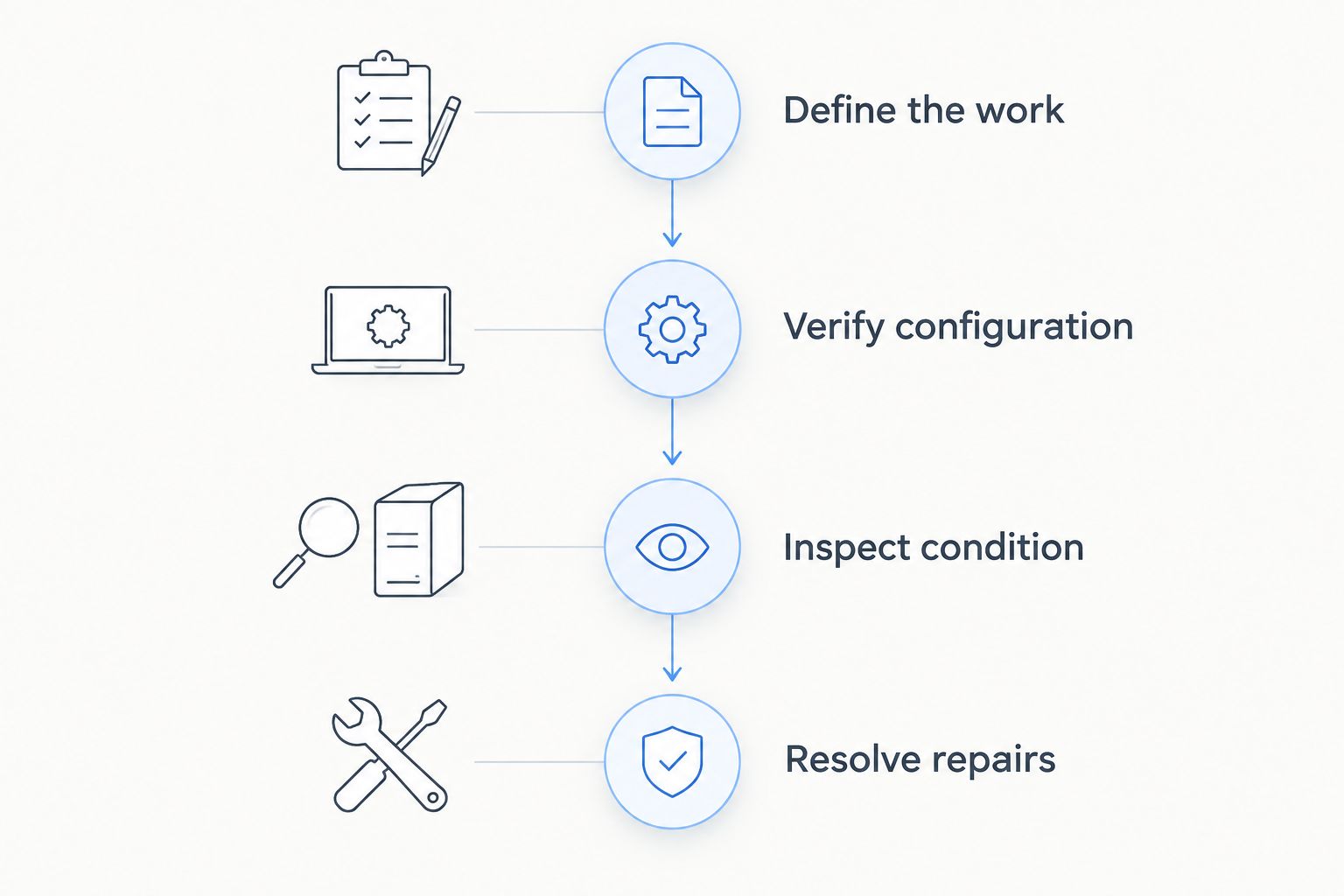
Use the resulting assessment to distinguish a purchase-ready candidate from one that needs further investigation. Drillrigmarketplace supports used Acker drilling equipment sourcing alongside inspection and repair services; request help against your written brief rather than asking for an unspecified best rig.
Discuss your Acker drilling requirements
Use your drilling scope, tooling requirements, and inspection questions to guide the equipment discussion.
How the configurations rank
The ranking puts verified application fit first. Track-mounted and truck-mounted candidates occupy separate slots because access and road-linked mobilization are different selection problems. A rebuild candidate comes last because corrective work must be resolved before deployment.
This is a decision guide, not a measured performance comparison between Acker models. Apply the same criteria to every candidate, and let documented configuration and inspection findings determine the final order.
Which Acker drilling configuration should you choose?
Choose the inspected, job-matched Acker rig by default. Move to the track-mounted shortlist only when your access assessment makes carrier suitability decisive. Favor a truck-mounted candidate when the vehicle and drilling system both fit your road-linked program.
Choose the rebuild path when you can complete and verify corrective work before deployment. If a candidate fails your sample requirement or leaves a critical condition question unresolved, reject it rather than changing the project specification to justify the purchase.
FAQ
What's the best Acker drilling rig for exploration in 2026?
The best choice is an inspected Acker rig whose documented configuration matches your exploration program. Select the actual machine against your drilling method, sample requirement, site access, and tooling needs rather than relying on the manufacturer name alone.
Is a track-mounted Acker rig better than a truck-mounted rig?
Neither carrier is better for every exploration project. Assess a track-mounted candidate against site access and transport requirements, and assess a truck-mounted candidate against road access, vehicle condition, and the working setup.
What should I inspect before buying a used Acker rig?
Inspect the drilling configuration, hydraulics, electrical and safety controls, drivetrain, and structural or mounting condition. Use a qualified inspector to define an appropriate operating demonstration and document any unresolved defects.
Can I choose an Acker rig by model name alone?
No; a model name does not establish the configuration or condition of an individual used rig. Check identification records, installed equipment, modifications, and application suitability before making the purchase decision.
Should I rebuild an Acker rig or buy another one?
Choose a rebuild only when an inspection supports a defined repair plan that meets your operating requirements. Compare that plan with inspected replacement candidates using the same drilling brief and acceptance standard.
Does Drillrigmarketplace help with Acker drilling equipment repairs?
Yes; Drillrigmarketplace specializes in used Acker equipment among other manufacturers and provides drill rig inspections, repairs, complete rebuilds, and truck remounts. Its full-service repair and rebuild facility is in Beaver, West Virginia.
Does a used Acker rig include all the tooling I need?
Do not assume tooling is included with a used rig. Confirm drill rod, casing, sampling equipment, and other accessories individually, then check their compatibility with the proposed drilling method.
One last thing
Keep the rig acceptance check and the sample acceptance requirement separate. A machine can operate during a demonstration without establishing that its installed setup will obtain the sample your exploration program requires. Approve the drilling method and tooling combination—not just the running machine.