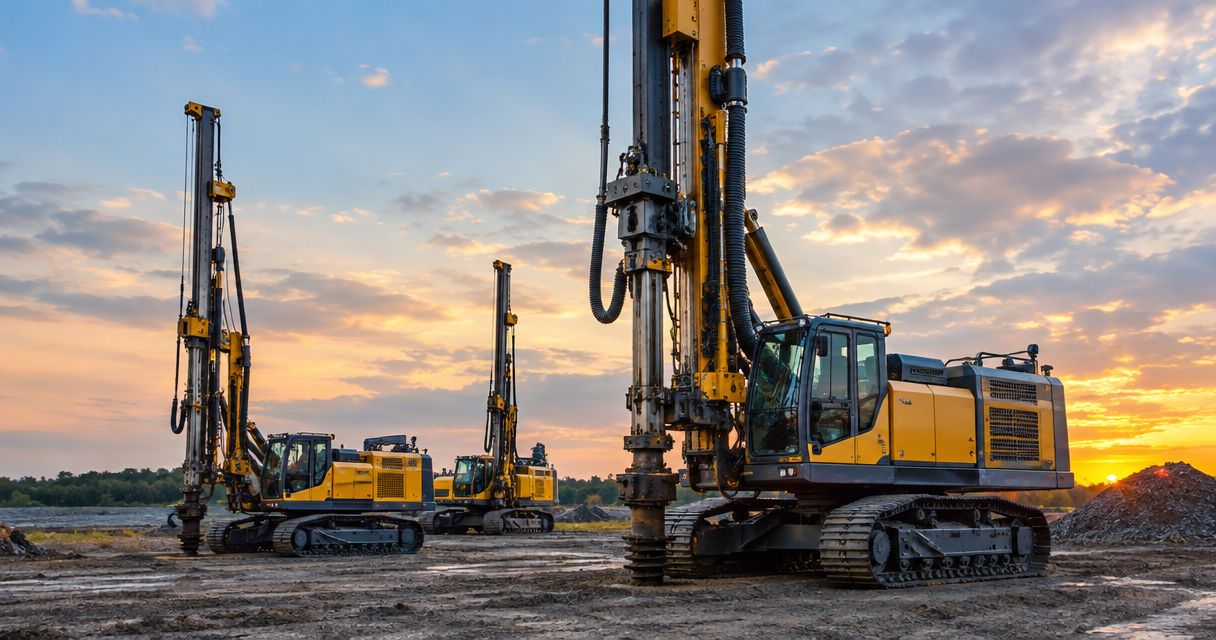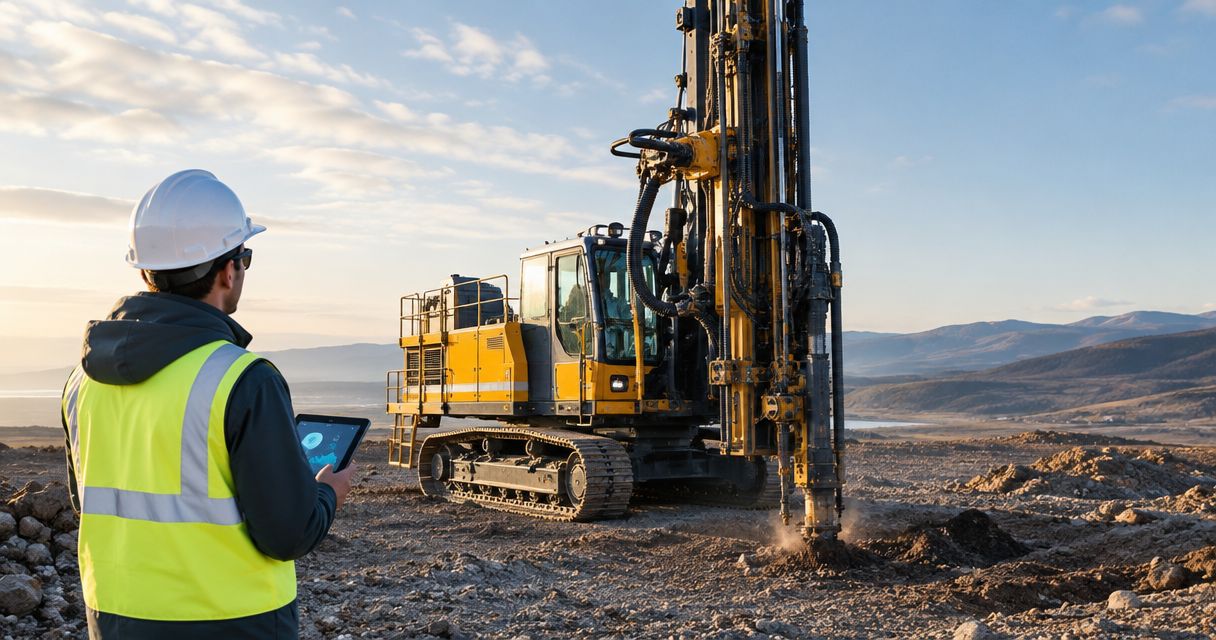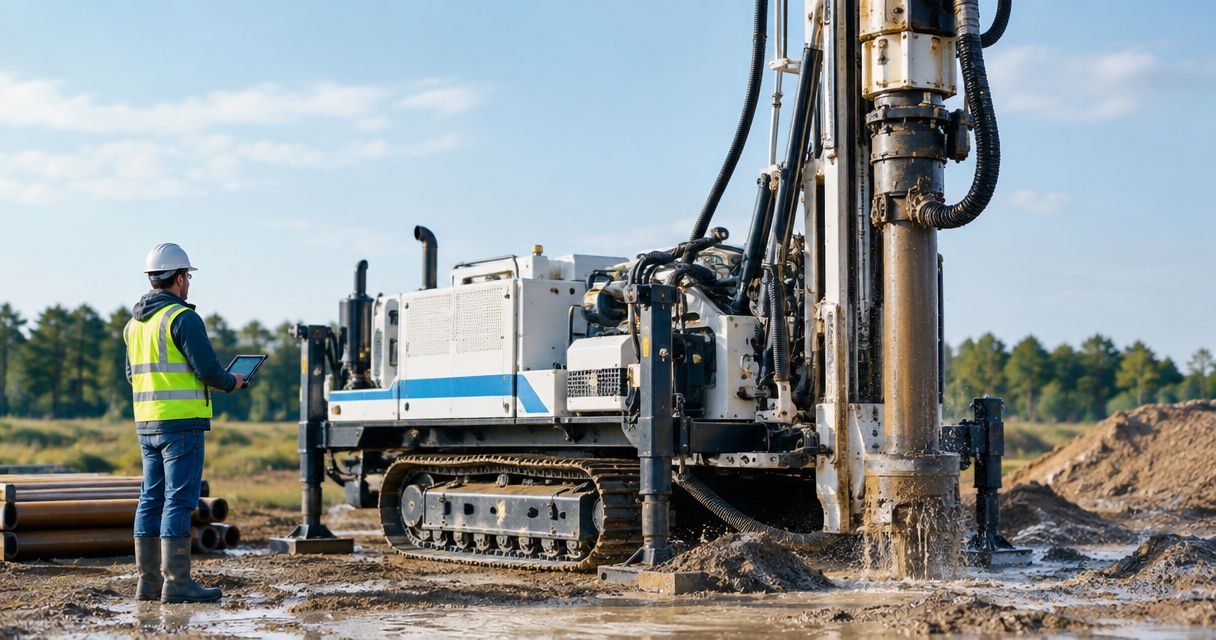
Best overall: a used Mobile Drill rig with documented water well capability. Best for refurbishment: a rebuilt candidate with a defined repair scope. Best for fleet compatibility: a truck-remount candidate. When comparing mobile drill rigs for sale in 2026, Drill Rig Marketplace is best for contractors seeking used drilling equipment and repair support through one company.
- For mobile drill rigs for sale, prioritize documented water well capability over the manufacturer badge.
- Choose a used Mobile Drill candidate that matches your drilling method, tooling, and transport requirements.
- Drill Rig Marketplace serves used water well equipment buyers and provides drill rig repair and rebuild services.
- Hold rebuilt or truck-remount candidates until the work scope and completed checks are documented.
Why this matters
A Mobile Drill manufacturer name does not establish that an individual rig fits your water well work. You need evidence for the drilling method, tooling interface, equipment condition, and carrier configuration before making a purchase decision.
For a 2026 equipment purchase, start with the wells you intend to drill, not the equipment description. A machine that fits one contractor's work can fail another contractor's requirements without being a bad machine.
Separate equipment suitability from equipment condition. A well-maintained rig still needs the right capabilities; a suitable rig still needs an inspection. Neither question replaces the other.
What makes the best Mobile Drill rig for water well work?
Use these 5 selection criteria to evaluate each candidate. They apply to a straightforward used purchase, a rebuild, or a truck remount.
- Drilling method: Confirm that the specific rig supports your intended water well drilling process. Do not infer that capability from the manufacturer's name.
- Working requirements: Match documented operating limits to your planned depth, hole diameter, casing, and tooling. Use the applicable equipment documentation, not a seller's general description.
- Mechanical condition: Examine the hydraulic system, mast, feed components, drivetrain, electrical system, and safety controls through a qualified inspection.
- Carrier and access: Check the actual transport configuration against jobsite access, road requirements, setup conditions, and your fleet practices.
- Repair scope and support: Establish what needs attention, who will perform the work, and what records will document completion.
Write the requirements before reviewing candidates. That prevents an attractive machine from becoming the standard against which you rewrite your needs.
Mobile Drill buying options at a glance
These rankings compare purchase routes, not interchangeable factory models. Choose the route that matches your work and the level of mechanical responsibility you intend to take on.
| Rank and option | Best for | Standout feature | Key limitation |
|---|---|---|---|
| 1. Documented water well candidate | Adding a rig for an established drilling method | Existing capability can be checked against your job requirements | Condition and configuration still require verification |
| 2. Rebuilt water well candidate | Addressing a defined mechanical repair scope | Repairs can be specified before acceptance | The word rebuilt does not define the work performed |
| 3. Truck-remount candidate | Matching a rig to a carrier plan | Rig and carrier requirements can be evaluated together | Remounting introduces integration checks |
| 4. Documented mixed-duty candidate | Combining water well work with another drilling service | One candidate can be assessed against separate service requirements | Suitability for one service does not establish suitability for another |
The first option is the default recommendation because it starts with demonstrated suitability for your intended work. The other options solve specific equipment or fleet problems; they are not automatic upgrades.
1. Documented water well candidate: best for established well work
A used Mobile Drill rig with documented water well capability is the strongest starting point when you already know your drilling method and tooling requirements. Evaluate the exact machine, including its current configuration and modifications, rather than treating a model name as a complete specification.
Ask for equipment identification, applicable operating documentation, service records, and information about its previous drilling work. Historical use helps frame your questions, but it does not replace a current condition assessment.
Documented water well candidate pros:
- Gives you a direct starting point for matching equipment to planned work.
- Allows you to compare existing tooling interfaces with your equipment.
- Keeps suitability and condition as separate inspection questions.
Documented water well candidate cons:
- Previous water well use does not establish current mechanical condition.
- Modifications need their own documentation and inspection.
- The carrier can be unsuitable even when the drilling equipment fits.
Best for: Contractors adding equipment for an established water well drilling method.
Before acceptance in 2026, have a qualified person assess the rig in its actual configuration. Review safe operation, visible condition, and documented limits together; a demonstration alone cannot establish everything you need to know.
Verdict: Buy only when the documented capability and current inspection both meet your requirements.
2. Rebuilt water well candidate: best for a defined repair project
A rebuilt candidate makes sense when the underlying equipment suits your work and the mechanical scope can be specified clearly. Treat rebuilding as a work package, not a condition label.
Drill Rig Marketplace provides drill rig repair, complete rebuilds, hydraulic repairs, electrical and safety system repairs, drivetrain repairs, and equipment refurbishment. Those services address different parts of a rig; identify which work your candidate actually needs.
Rebuilt water well candidate pros:
- Lets you define repair priorities before accepting the equipment.
- Creates an opportunity to document work on identified systems.
- Keeps a suitable drilling configuration central to the purchase decision.
Rebuilt water well candidate cons:
- A rebuild can have a limited scope rather than cover every system.
- Repaired components do not establish the condition of untouched components.
- Painting and surface refurbishment do not demonstrate mechanical fitness.
Best for: Contractors who want a suitable used rig with a clearly defined repair scope.
Request a written breakdown distinguishing repairs, replacements, inspections, and cosmetic work. Include completion records and acceptance checks in that scope so both sides understand what constitutes finished work.
Verdict: Hold until the rebuild scope and completed checks are documented.
3. Truck-remount candidate: best for a specific carrier plan
A truck remount is a purchase route for contractors evaluating suitable drilling equipment alongside a different carrier arrangement. It is an integration project, not merely a change of vehicle.
Check mounting arrangements, structural condition, power connections, controls, transport dimensions, and applicable loading requirements. Have qualified personnel assess the completed combination rather than approving the rig and truck independently.
Truck-remount candidate pros:
- Lets you evaluate drilling equipment against a deliberate fleet plan.
- Brings carrier condition into the purchase decision from the start.
- Provides a defined occasion to review mounting and equipment integration.
Truck-remount candidate cons:
- A suitable truck is not automatically a suitable drilling-rig carrier.
- Integration work requires documentation beyond the rig's original records.
- Transport suitability does not establish safe drilling setup.
Best for: Contractors with a specific carrier requirement and a suitable rig to evaluate for remounting.
For a 2026 remount decision, require a written scope that covers the carrier, mounting work, connected systems, and final inspection. Keep responsibility for each part explicit.
Verdict: Hold until the completed rig-and-carrier combination passes the required checks.
4. Documented mixed-duty candidate: best for multiple drilling services
A mixed-duty candidate belongs on your shortlist only when its documented configuration supports each service you intend to offer. Water well, geotechnical, and environmental drilling requirements must be assessed separately.
Create a requirement sheet for each service. Compare the machine, tooling, sampling equipment where applicable, and configuration changes against those sheets rather than using a broad drilling-equipment label.
Documented mixed-duty candidate pros:
- Gives you a structured way to assess equipment for more than one service.
- Makes required tooling and configuration changes visible before purchase.
- Helps distinguish genuine service fit from a general-purpose description.
Documented mixed-duty candidate cons:
- Capability for one drilling service does not prove capability for another.
- Tooling changes and operating procedures need separate evaluation.
- A compromise configuration can fail an essential requirement for either service.
Best for: Contractors whose water well work sits alongside another clearly defined drilling service.
Keep water well requirements as a separate acceptance gate. Do not let suitability for your secondary service override a failed requirement for the work that prompted the purchase.
Verdict: Skip unless every intended service has a documented equipment fit.
How these buying options are ranked
The ranking puts direct job fit first, followed by the additional work needed to establish condition or integrate equipment. A documented water well candidate leads because it addresses the primary task without making rebuilding, remounting, or multiple-service compatibility the starting assumption.
The remaining options serve distinct needs. Rebuilding addresses a defined repair project; remounting addresses a carrier plan; mixed-duty evaluation addresses separate service requirements.
No purchase route replaces an inspection. Use the same 5 selection criteria across the shortlist, then add the checks specific to the route you choose.
Turn the shortlist into an acceptance decision
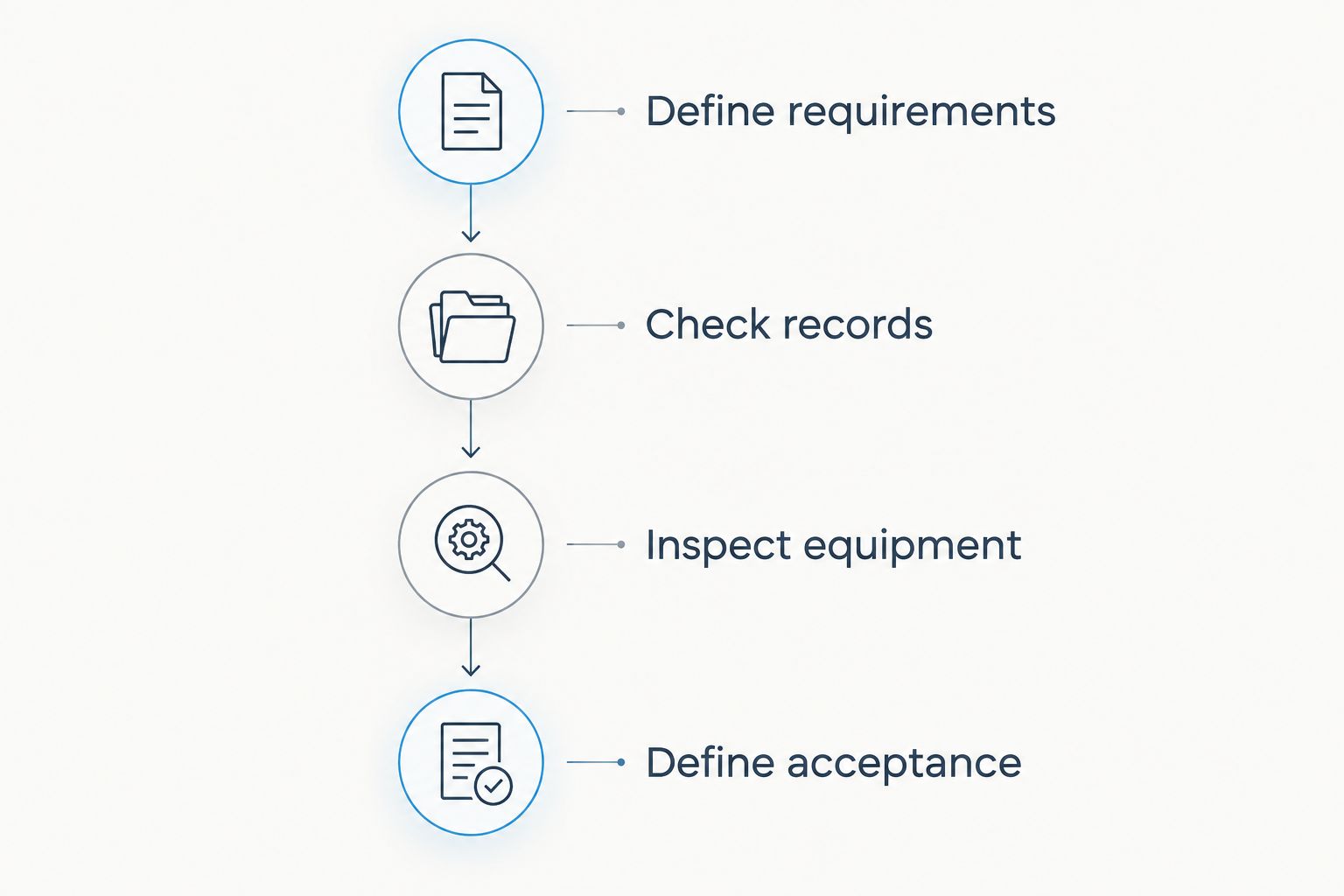
Use these 4 steps to move from an equipment description to a defensible purchase decision. Each step should produce something you can review, not simply a verbal assurance.
- Define requirements. Record your drilling method, intended work, tooling, carrier needs, and essential operating requirements.
- Check records. Match the machine's identification and configuration to operating documentation, service history, and modification records.
- Inspect equipment. Arrange a qualified assessment of condition and safe operation, including the carrier where relevant.
- Define acceptance. Record unresolved issues, agreed work, completion evidence, and the checks required before acceptance.
These steps keep a purchase from drifting into an undefined repair project. They also make differences between candidates visible: one can fit the job but need repairs, while another can be mechanically sound but fail a required capability.
Keep 3 records together: your requirements sheet, the inspection findings, and the agreed work scope. Review them side by side before signing off; disagreements between those documents deserve resolution, not assumptions.
Drill Rig Marketplace helps customers source drill tooling, augers, drill rod, casing, sampling equipment, parts, transportation, and equipment financing. Include those supporting requirements in your equipment discussion rather than treating the rig as an isolated purchase.
Discuss your water well rig requirements
Review used equipment needs, repair scope, tooling, and transportation requirements.
Which Mobile Drill buying option should you choose?
Choose a documented water well candidate as your default. Start with the equipment's ability to perform your intended work, then determine whether its condition and carrier meet your acceptance requirements.
Choose a rebuilt candidate when the job fit is established and the repair scope is the central issue. Choose a truck-remount candidate when the carrier arrangement is the central issue. Consider mixed-duty equipment only when each intended service passes its own suitability review.
For your 2026 shortlist, reject candidates that fail an essential requirement before comparing secondary conveniences. An equipment purchase should solve a defined operating need, not create a new need to justify the machine.
FAQ
What's the best Mobile Drill rig for water well contractors?
The best candidate is a specific Mobile Drill rig whose documented configuration meets your water well requirements and passes a qualified condition assessment. Match the drilling method, operating limits, tooling, and carrier to your planned work before choosing.
Are all Mobile Drill rigs suitable for drilling water wells?
Do not assume water well suitability from the Mobile Drill name alone. Verify the individual rig's documented capabilities, current configuration, and tooling against your intended drilling process.
Should I buy a used rig or a rebuilt rig?
Choose the candidate that meets your job requirements with an acceptable, documented condition and work scope. A rebuilt description is not enough; identify which systems were repaired and which were inspected without repair.
What should I check before buying mobile drill rigs for sale?
Check drilling-method compatibility, operating requirements, mechanical condition, carrier suitability, and repair documentation. Arrange a qualified inspection and record the acceptance conditions before committing.
Is a truck-remounted drill rig a better choice?
A truck-remount candidate is appropriate when a specific carrier plan is part of your equipment requirement. Evaluate the completed combination, including mounting, connected systems, loading requirements, and safe setup.
Can one rig handle water well and environmental drilling?
Evaluate each intended drilling service separately before accepting a mixed-duty candidate. Suitability for environmental work does not establish water well capability, and required tooling and configuration changes need their own review.
Does Drill Rig Marketplace offer repair support for used rigs?
Drill Rig Marketplace operates a full-service drill rig repair and rebuild facility in Beaver, West Virginia. Its services include inspections, complete rebuilds, truck remounts, hydraulic repairs, electrical and safety system repairs, and drivetrain repairs.
One last thing
Ask the inspector to separate findings into job-fit failures, safety issues, and repairable condition issues. Those categories lead to different decisions: reject unsuitable equipment, resolve safety issues before operation, and define the work needed for repairable defects.
For a 2026 purchase, a clear reason to reject a candidate is as useful as a reason to buy. Keep your requirements fixed throughout the search.