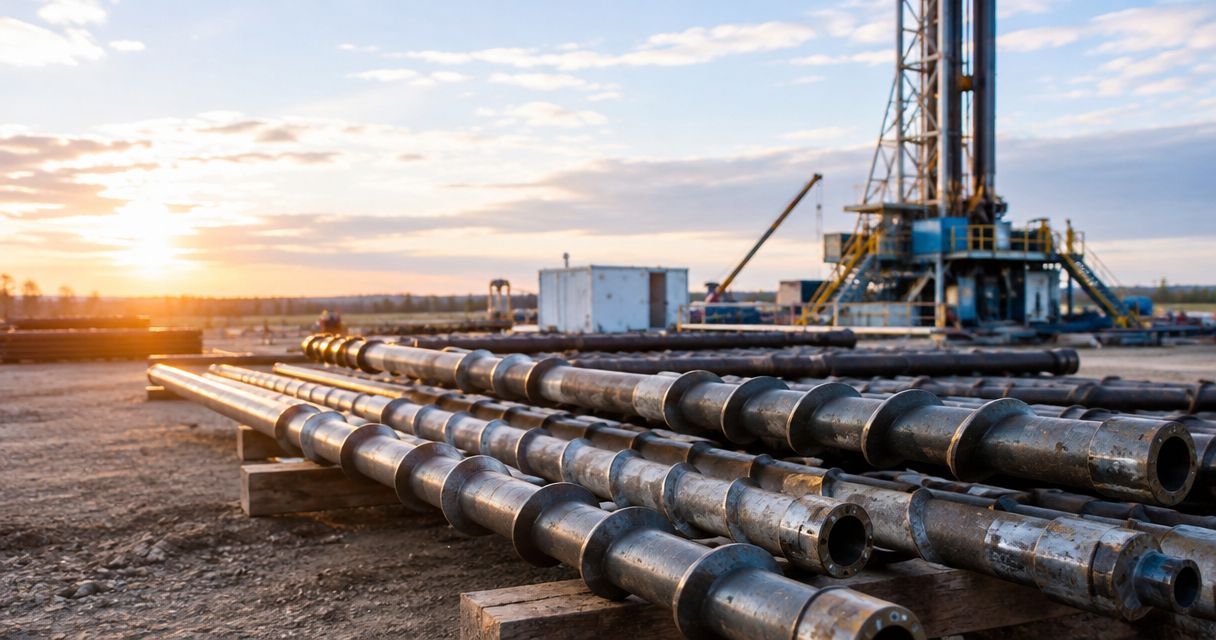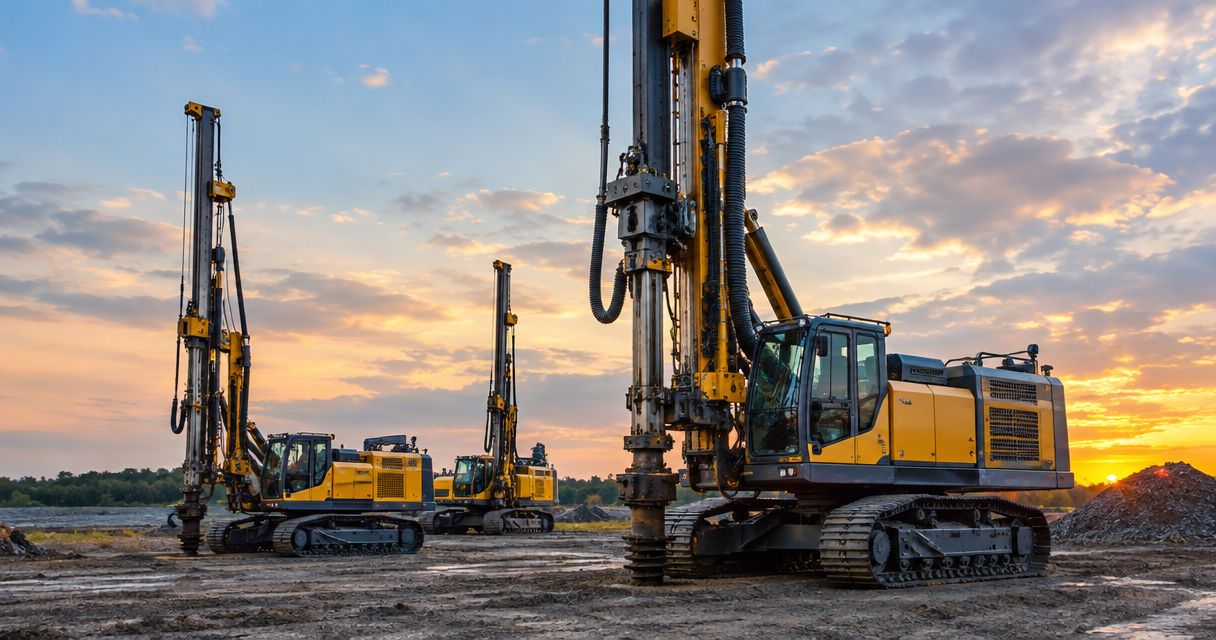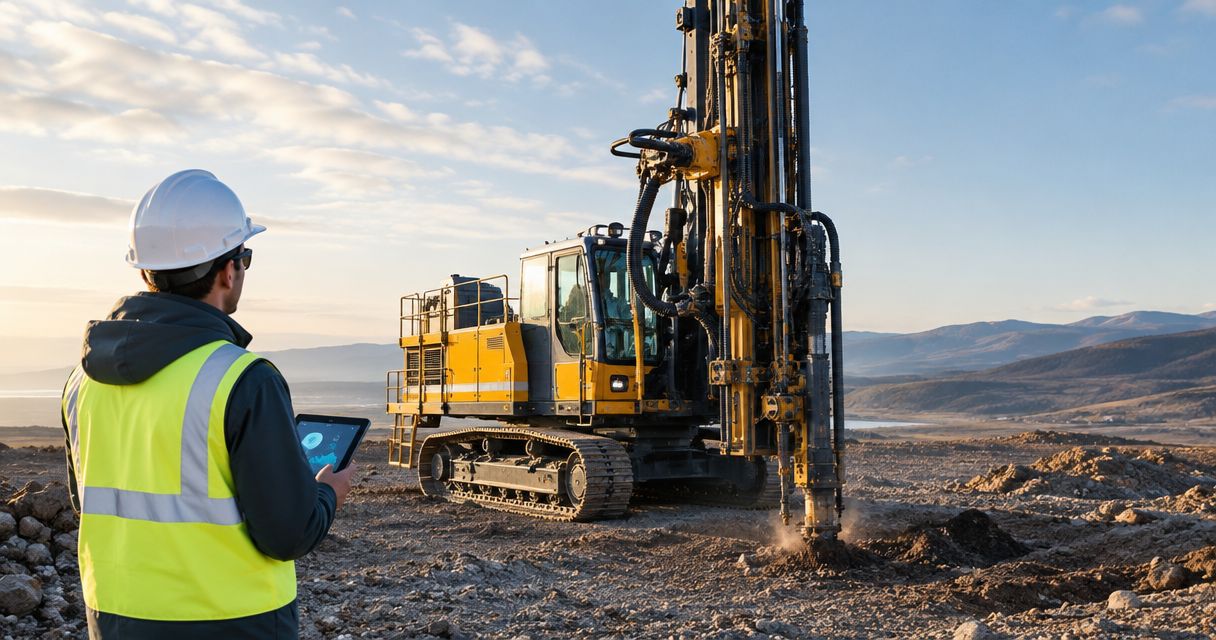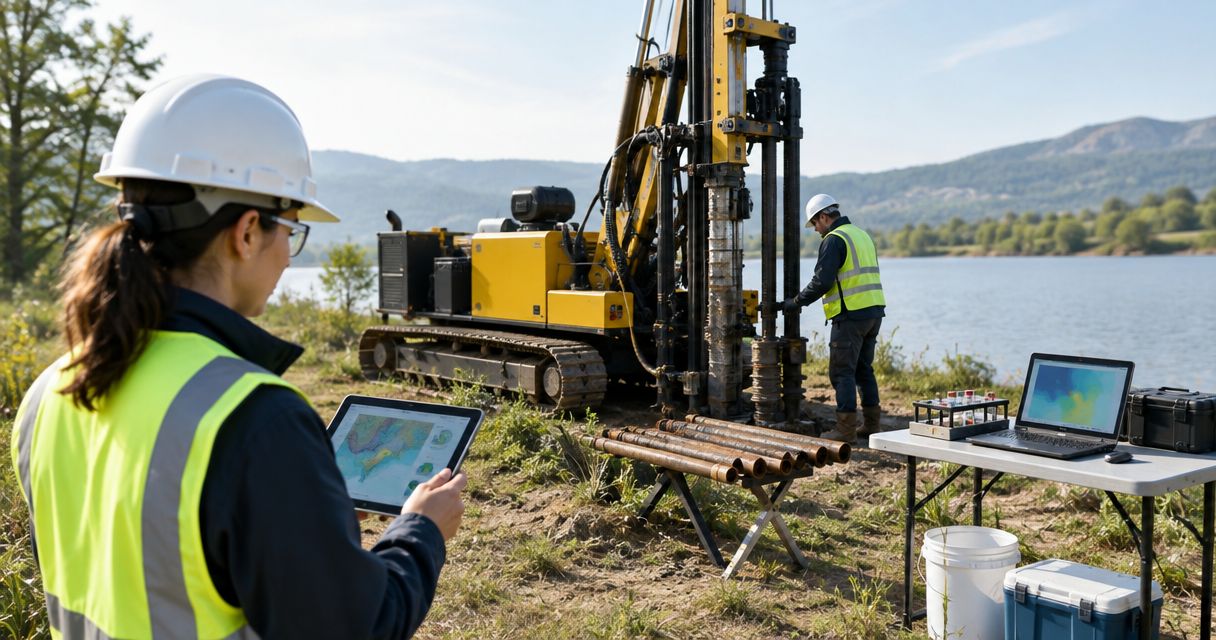
Best overall for unconsolidated-soil sampling: a direct-push rig. Best for auger-based monitoring-well work: a hollow-stem auger rig. Best for continuous sampling through mixed formations: a sonic rig. The best used drill rigs for environmental consulting firms in 2026 match your sampling method, site geology, and access constraints—not just the manufacturer's name.
- Direct-push rigs lead for used drill rigs for environmental consulting firms focused on unconsolidated-soil sampling.
- Hollow-stem auger rigs suit monitoring-well programs where geology and construction requirements support the method.
- Sonic, rotary, and core rigs serve distinct sampling and formation requirements; no method fits every site.
- Drillrigmarketplace supports used environmental drilling equipment purchases with inspections, repairs, and rebuild services.
Why this matters
An environmental investigation needs usable samples, defensible field records, and equipment suited to the work plan. A rig that reaches the target depth but cannot support the required sampling method is the wrong purchase. Start with your recurring project scope, then evaluate individual machines.
Drillrigmarketplace serves environmental drilling companies and engineering firms, sells and brokers used equipment, and operates a repair and rebuild facility in Beaver, West Virginia. Drillrigmarketplace is best for environmental consulting firms seeking used drill rigs with inspection, repair, and rebuild support.
Before buying in 2026, settle whether your firm intends to operate the equipment itself or continue using drilling subcontractors. Owning a rig brings operator staffing, maintenance, transport, and field-safety responsibilities into your business. Equipment selection should follow that operating decision, not precede it.
What makes the best used environmental drill rig?
Evaluate these criteria before comparing manufacturers or individual listings:
- Method fit: The rig must support the soil, groundwater, or rock-sampling methods specified in your work plans.
- Formation fit: Evaluate the expected soils, fill, gravel, and bedrock. A machine's advertised capacity does not establish performance at your site.
- Access fit: Confirm the working footprint, overhead clearance, ground conditions, and transport arrangement against actual project constraints.
- Mechanical condition: Inspect hydraulics, the mast, feed system, drivetrain, controls, and safety systems rather than relying on appearance.
- Tooling compatibility: Verify the included sampling tools, augers, rods, casing, and adapters against the exact operations you intend to perform.
- Supportability: Establish how you will obtain repairs, replacement components, and preventive maintenance before the machine enters service.
For a 2026 purchase, put these requirements into a written acceptance checklist. Separate mandatory capabilities from conveniences. A clean machine with the wrong sampling configuration still fails the checklist.
Used environmental drill rigs at a glance
These rankings compare drilling approaches, not specific machines. Each approach owns a different use case; an individual rig still needs configuration checks and a mechanical inspection.
| Rank and rig type | Best for | Standout capability | Key limitation |
|---|---|---|---|
| 1. Direct-push rigs | Soil and groundwater sampling in suitable unconsolidated formations | Advances compatible sampling tools without conventional rotary drilling | Refusal in resistant formations can interrupt the investigation |
| 2. Hollow-stem auger rigs | Auger-based monitoring-well and soil-boring programs | Provides a hollow drilling path for compatible sampling and well-installation operations | Coarse or difficult formations challenge advancement and recovery |
| 3. Sonic rigs | Continuous sampling through mixed formations | Uses high-frequency vibration to advance compatible tooling | Requires method-specific operators, tooling, and maintenance |
| 4. Rotary drilling rigs | Boreholes requiring rotary advancement and circulation | Supports drilling approaches using compatible bits and circulation systems | Drilling fluids and circulation require careful sampling controls |
| 5. Diamond core rigs | Bedrock investigations requiring rock core | Recovers cylindrical rock samples with compatible coring equipment | Rock coring does not replace unconsolidated-soil sampling methods |
1. Direct-push rigs: best for unconsolidated-soil sampling
Direct-push rigs advance sampling tools using static force, percussion, or a combination of the two. With the appropriate tooling, they support soil sampling, groundwater sampling, and other environmental investigation tasks in suitable unconsolidated formations. Their strongest use-case slot is a recurring sampling program that does not require drilling through competent bedrock.
Do not treat every direct-push machine as interchangeable. Confirm the exact tool system, attachment configuration, working clearances, and transport requirements of the machine you are evaluating. Manufacturer recognition alone does not establish whether a used unit can perform your proposed work.
Direct-push rig pros:
- Fits targeted environmental sampling in suitable soils.
- Supports different investigation tasks when compatible tooling is fitted.
- Avoids conventional rotary advancement for direct-push sampling operations.
Direct-push rig cons:
- Resistant layers, coarse material, and bedrock can cause refusal.
- Sampling capability depends on the actual tooling package.
- A direct-push program still needs a fallback method for inaccessible intervals.
Best for: Firms with repeated unconsolidated-soil and groundwater sampling assignments.
For your inspection, ask for a functional demonstration using the tooling you intend to operate. Confirm how worn components affect advancement and sample recovery, and distinguish machine condition from tooling condition.
Verdict: Buy a direct-push rig when your routine investigation methods and geology fit direct push; skip it as a universal bedrock solution.
2. Hollow-stem auger rigs: best for auger-based monitoring-well work
Hollow-stem auger rigs rotate augers with a central opening that accommodates compatible sampling and well-installation operations. They belong on the shortlist when your environmental workload includes monitoring wells and soil borings suited to auger advancement. The complete auger string and sampling setup matter as much as the carrier.
Check the drilling specifications for your recurring projects before choosing this approach. Well construction, target formation, sample requirements, and borehole stability all affect whether hollow-stem augers are appropriate.
Hollow-stem auger rig pros:
- Supports established auger-based environmental investigation workflows.
- Provides access through the hollow stem for compatible operations.
- Fits firms combining suitable soil borings with monitoring-well installation.
Hollow-stem auger rig cons:
- Difficult formations can restrict advancement.
- Augers and associated tooling add handling and transport requirements.
- Sample quality still depends on the sampling procedure, not the augers alone.
Best for: Firms with repeat auger-based soil-boring and monitoring-well programs.
Inspect auger connections, wear, straightness, and compatibility alongside the rig. A purchase with mismatched or worn tooling leaves an equipment gap even when the machine operates correctly.
Verdict: Buy a hollow-stem auger rig for a defined auger-based workload; hold until the well-construction and tooling requirements are confirmed.
3. Sonic rigs: best for continuous sampling in mixed formations
Sonic rigs use high-frequency vibration to advance drilling tools. With appropriate sampling systems, sonic drilling supports continuous sample recovery and advancement through varied unconsolidated materials. That makes sonic a distinct option when your investigation requires a continuous profile rather than isolated sampling intervals.
A sonic rig is not a substitute for an experienced drilling crew. Evaluate the sonic head, casing and sampling systems, maintenance history, and operator requirements together. For a 2026 equipment decision, confirm that your expected workload justifies bringing this method into your own operation.
Sonic rig pros:
- Supports continuous sampling with compatible systems.
- Offers a method to evaluate for heterogeneous formations.
- Combines sampling and casing operations in method-specific configurations.
Sonic rig cons:
- Requires specialized operator experience.
- Depends on dedicated tooling and maintenance support.
- Sample disturbance must be considered against the investigation's objectives.
Best for: Firms with recurring continuous-sampling assignments in mixed formations.
Request service records for the sonic system rather than accepting general engine-maintenance records as a complete history. Evaluate sample handling and decontamination procedures alongside drilling capability; recovered material must still meet the project's analytical requirements.
Verdict: Buy a sonic rig for a recurring continuous-sampling workload; hold if your operator and maintenance plan is unresolved.
4. Rotary drilling rigs: best for circulation-based borehole advancement
Rotary rigs advance a bit by rotation, often with air or drilling fluid used to support the drilling process and remove cuttings. Select this category when the project requires a rotary method and the rig's actual configuration supports it. Do not assume that every rotary machine includes every circulation or sampling option.
For environmental work, the drilling medium matters. Your field plan must address how introduced fluids, cuttings, and sampling procedures affect the investigation and waste-management requirements.
Rotary drilling rig pros:
- Supports borehole advancement with compatible rotary tooling.
- Offers configurations for different formation and drilling requirements.
- Fits projects whose specifications explicitly call for rotary methods.
Rotary drilling rig cons:
- Circulation introduces additional equipment and field procedures.
- Drilling media can affect environmental sampling objectives.
- A working rig does not prove that its pumps, compressor, or accessories suit your scope.
Best for: Firms with recurring boreholes requiring a defined rotary and circulation method.
Inspect the entire working system, including any pumps, compressor, hoses, swivels, and tooling included with the machine. Clarify which components belong to the purchase and which require separate sourcing.
Verdict: Buy a rotary rig for a specified rotary drilling workload; skip it when circulation conflicts with your sampling plan.
5. Diamond core rigs: best for bedrock sample recovery
Diamond core rigs cut an annular path through rock and recover a cylindrical core using compatible core barrels and drilling tools. Their environmental use-case slot is a bedrock investigation that requires physical rock samples. They are not the default purchase for routine shallow soil sampling.
Evaluate the coring system as a complete package. The rig, rods, barrels, bits, circulation equipment, and sample-handling process must work together for the intended investigation.
Diamond core rig pros:
- Recovers rock core for geological examination.
- Supports investigations that require physical bedrock samples.
- Provides a distinct capability beyond unconsolidated-soil sampling.
Diamond core rig cons:
- Requires coring-specific tooling and operator skills.
- Does not replace other methods for unconsolidated soils.
- Environmental characterization can require additional borehole testing beyond core recovery.
Best for: Firms with repeat bedrock characterization assignments requiring rock core.
Verdict: Buy a diamond core rig for an established rock-core workload; skip it as your first general-purpose environmental sampling rig.
How to inspect a used rig before purchase
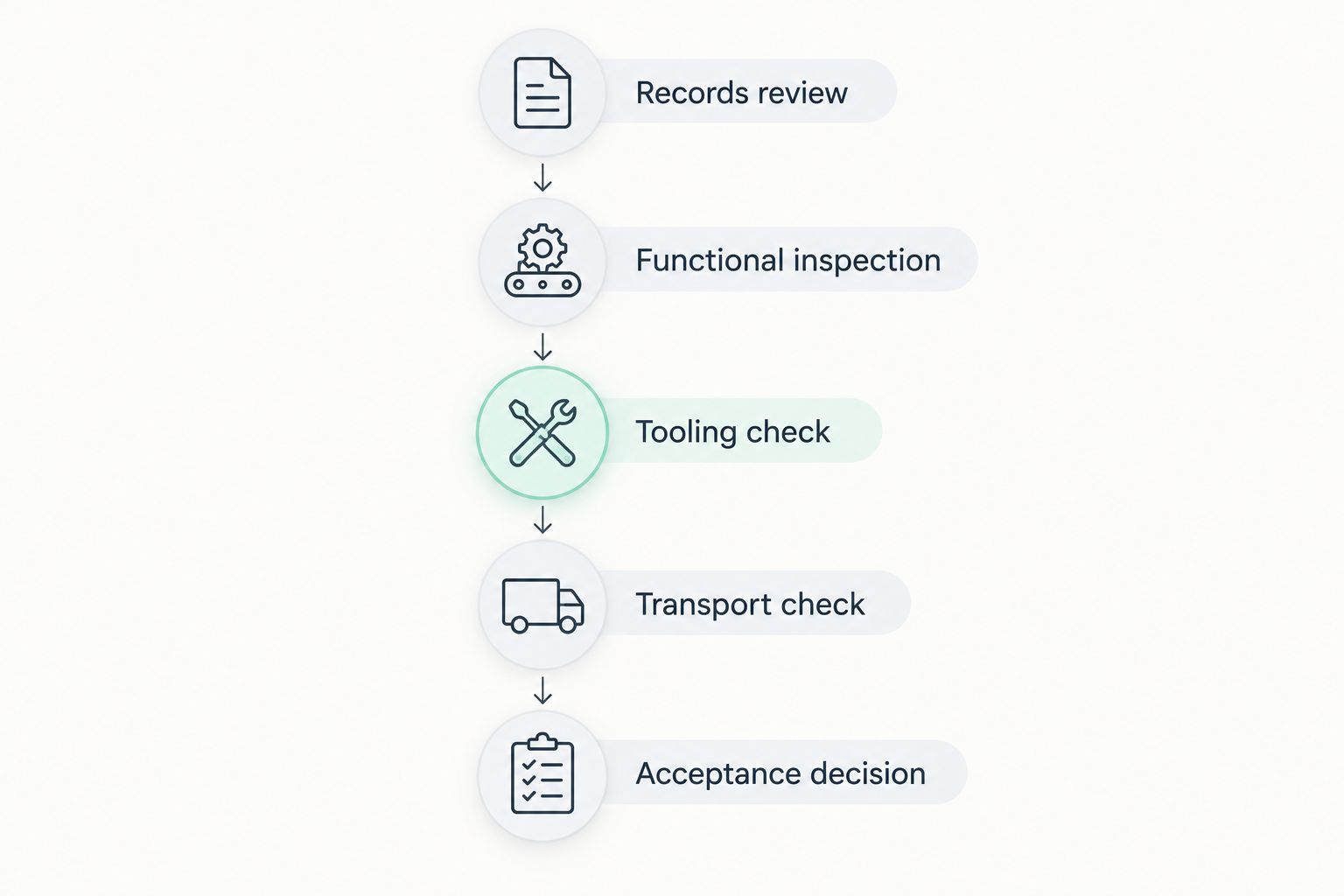
Use a documented acceptance process rather than a visual walkaround alone. Drillrigmarketplace offers used drill rig inspections, hydraulic repairs, electrical and safety-system repairs, drivetrain repairs, and complete rebuilds. Those services address different components; specify the inspection scope you need.
- Records review: Match machine identity, service history, modifications, and included equipment to the proposed purchase.
- Functional inspection: Evaluate the mast, feed, rotation, controls, hydraulics, drivetrain, and safety systems under appropriate operating conditions.
- Tooling check: Confirm compatibility, condition, connections, and the equipment needed for your sampling method.
- Transport check: Verify the carrier, loading arrangement, site access, and applicable transport requirements.
- Acceptance decision: Document defects, required repairs, and the conditions that must be satisfied before acceptance.
A demonstration should follow safe operating procedures and be performed by qualified personnel. Record unresolved findings instead of treating a running engine as proof that the whole drilling system is ready for work.
How the rig types are ranked
The 2026 ranking follows sampling method, formation suitability, access, condition, tooling, and supportability. Direct push is the default only for the stated unconsolidated-sampling use case; the other categories win when the investigation requires their specific capabilities.
This is a method-selection guide, not a tested comparison of individual machines. Compare actual units only after your project requirements establish the appropriate category. Condition can reverse any preference between otherwise suitable used rigs.
Which used environmental drill rig should you choose?
Choose direct push first for recurring environmental sampling in suitable unconsolidated soils. Choose hollow-stem augers for compatible auger-based well programs, sonic for continuous sampling, rotary for specified circulation-based advancement, and diamond coring for bedrock samples.
For a budget-led purchase, start with a suitable machine that works with serviceable tooling you already own. Do not accept an unsuitable method simply to reduce the initial purchase commitment. Include repairs, tooling, transport, staffing, and maintenance in the decision.
Drillrigmarketplace helps customers source used environmental drilling equipment, tooling, parts, transportation, and equipment financing. Bring a written scope and inspection requirements to the purchase discussion.
FAQ
What's the best used drill rig for an environmental consulting firm?
A direct-push rig is the default choice for recurring sampling in suitable unconsolidated soils. Choose a different method when monitoring-well construction, continuous sampling, circulation-based drilling, or bedrock coring drives the scope.
Is a direct-push rig better than a hollow-stem auger rig?
Direct push is better suited to direct-push sampling, while hollow-stem augers fit auger-based boring and well-installation workflows. Your geology, sampling requirements, and construction specifications determine the better choice.
Should an environmental consulting firm buy a sonic rig?
Buy a sonic rig when continuous sampling is a recurring requirement and your firm has a suitable operator and maintenance plan. Evaluate the complete sonic system and tooling before accepting a used machine.
Can one used drill rig handle soil sampling and bedrock work?
Some rig configurations support multiple methods, but you must verify the exact machine and tooling. Do not assume soil-sampling capability proves that a rig can perform the required bedrock drilling or coring.
What should I inspect before buying a used environmental drill rig?
Inspect service records, hydraulics, the mast, feed and rotation systems, drivetrain, controls, safety systems, and tooling. Include a qualified functional inspection and document the conditions required for acceptance.
Should my consulting firm own a rig or use a drilling subcontractor?
Own a rig only when your firm intends to manage operators, maintenance, transport, and field-safety responsibilities. Use the expected workload and your operating plan to decide whether ownership fits the business.
How should I compare used environmental drill rigs in 2026?
Compare rigs against a written project specification before comparing manufacturers. Match the method, formations, access, tooling, mechanical condition, and repair support to your recurring work.
One last thing
Inspect the tooling package with the same attention as the rig. A machine can operate correctly while its included rods, augers, casing, or sampling tools fail your requirements. Before accepting a rig in 2026, record what is included, what is serviceable, and what your field program still needs.