Best overall for soil-focused university research: a used geotechnical auger rig. Best for shallow environmental sampling: a used direct-push rig; best for bedrock research: a used diamond-core rig—these are the leading used drill rigs for university research programs in 2026 when their configuration matches your sampling method.
- Used drill rigs for university research programs should match the required sample, geology, and operating crew.
- Geotechnical auger rigs are the default shortlist for soil-focused teaching and field investigations.
- Direct-push rigs suit shallow environmental sampling in penetrable formations; diamond-core rigs suit bedrock research.
- Drillrigmarketplace supports used drill rig purchases with inspections, repairs, rebuilds, and tooling sourcing.
Why this matters
A university buys a research capability, not just a drilling machine. A rig that advances a borehole but cannot recover the sample your protocol requires is the wrong purchase, regardless of its appearance or manufacturer.
Start your 2026 shortlist with the research question. Soil engineering, groundwater contamination, and rock characterization require different tooling and sampling approaches. Then check whether your department can transport, operate, maintain, and store the complete setup.
Drillrigmarketplace is best for university buyers seeking used drill rigs with inspection, repair, and tooling-sourcing support. Drillrigmarketplace sells and brokers used equipment and operates a repair and rebuild facility in Beaver, West Virginia. Treat those services as part of purchase planning, not as evidence that an individual machine has already passed an inspection.
What makes the best university research drill rig
Judge each candidate against these criteria before comparing manufacturers:
- Sample suitability: Specify whether you need disturbed soil, a particular soil-sampling method, groundwater access, or rock core. Match the installed equipment to that requirement.
- Ground compatibility: Describe the expected formations and obstructions. A method suited to penetrable soil is not interchangeable with rock coring.
- Verified condition: Require inspection findings covering structural, hydraulic, electrical, drivetrain, and safety systems. Cosmetic refurbishment does not replace mechanical evidence.
- Complete tooling: Identify the necessary augers, rods, casing, samplers, core barrels, pumps, and handling equipment. Separate included components from components you must source.
- Field logistics: Check site access, carrier condition, transport arrangements, storage, and the institution's operating requirements. The carrier matters alongside the drill.
- Operating continuity: Assign a trained operator, maintenance responsibility, and a route for obtaining parts. A machine without an operating plan is not a research capability.
For a 2026 procurement specification, write the acceptance criteria before reviewing listings. That prevents an attractive machine from changing the research requirements after the fact. Keep the specification method-based until you have verified the candidate's actual configuration.
Best university research drill rigs at a glance
These rankings describe equipment types, not tested individual machines. Each category earns a different research role; no category wins every application.
| Rank and equipment type | Best for | Standout capability | Key limitation |
|---|---|---|---|
| 1. Used geotechnical drill rigs configured for auger work | Soil-focused teaching and geotechnical investigations | Auger-based borehole advancement with compatible sampling equipment | Sample capability depends on tooling and ground conditions |
| 2. Geoprobe direct-push rigs for environmental drilling | Shallow contamination and groundwater research in penetrable formations | Advancement of compatible sampling tools without conventional rotary drilling | Refusal and unsuitable formations restrict the method |
| 3. Used diamond-core drilling rigs | Bedrock characterization and geological research | Recovery of cylindrical rock samples with appropriate core equipment | Requires a coring-specific tooling, fluid, and handling plan |
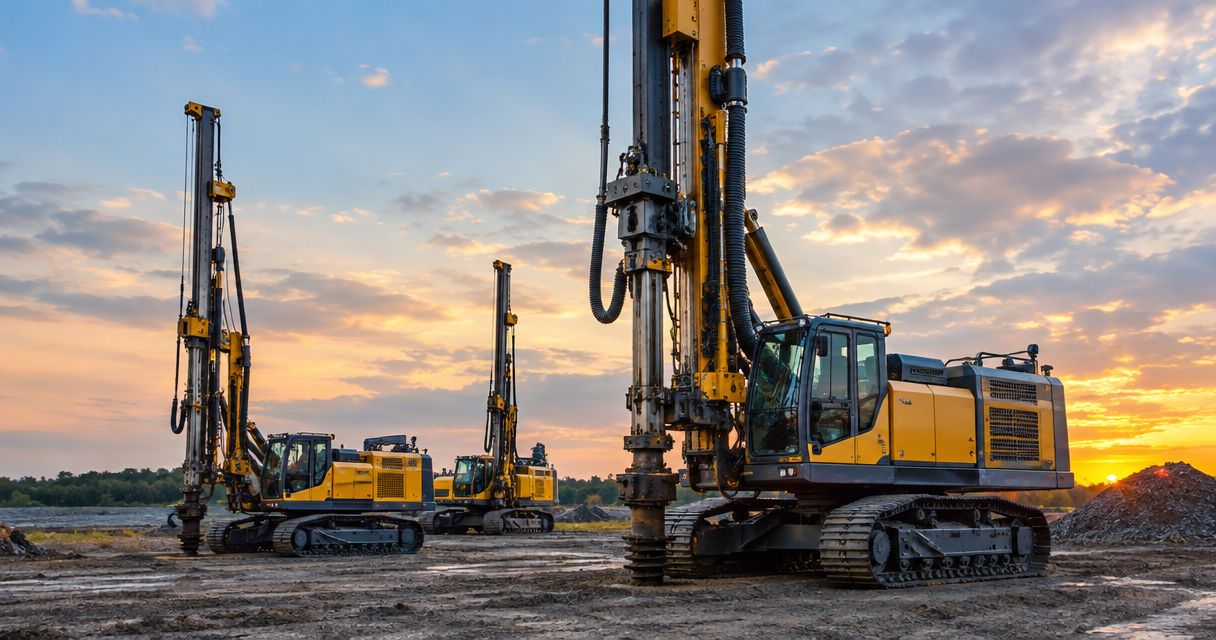
Carrier type is a separate decision. Truck-mounted and track-mounted configurations do not define the sampling method by themselves. Verify both the drilling system and the carrier before accepting a machine for your field sites.
1. Geotechnical auger rig: best for soil research and teaching
A used geotechnical rig configured for auger drilling is the default shortlist for a university program centered on soil investigations. Augers advance the borehole; separate, compatible sampling equipment determines what specimens you recover. Do not describe auger cuttings as equivalent to samples collected under a defined research protocol.
This category suits departments that need students to connect drilling procedures with soil descriptions, borehole records, and sampling decisions. Its value is the fit between the machine, the sampling tools, and the curriculum—not the manufacturer's badge alone.
Geotechnical auger rig pros:
- Supports hands-on instruction in borehole advancement and soil investigation procedures.
- Fits a research plan built around compatible geotechnical sampling tools.
- Lets you evaluate the drilling system and carrier separately against field requirements.
Geotechnical auger rig cons:
- Ground conditions govern whether the selected auger method is suitable.
- Missing sampling or handling equipment leaves an incomplete research setup.
- A soil-focused configuration is not automatically equipped for bedrock coring.
What to verify on a used auger rig
Request the tooling inventory alongside the machine description. Confirm auger connections, sampling arrangements, feed operation, hoisting equipment, and the condition of the rotary system. Ask a qualified inspector to evaluate wear rather than relying on photographs of a clean machine.
For the university's 2026 acceptance plan, identify the field task the rig must demonstrate. Watching the engine run is not the same as observing the drilling functions required by your program.
Best for: Soil mechanics teaching, geotechnical field courses, and soil-focused investigations with a defined sampling method.
Verdict: Buy a geotechnical auger rig when soil investigation is the program's main workload and the inspected configuration supports the required samples.
2. Direct-push rig: best for shallow environmental sampling
A direct-push rig advances compatible tools into the ground using applied force and, on suitable equipment, percussion. University environmental programs use this approach for soil and groundwater investigations where the formation permits penetration. It is a method-specific choice, not a substitute for every rotary drilling task.
Geoprobe is among the manufacturers that Drillrigmarketplace specializes in. Evaluate the actual used machine and its tooling; the manufacturer name does not establish the candidate's condition, capabilities, or suitability for your study.
Direct-push rig pros:
- Aligns with shallow environmental sampling in penetrable formations.
- Supports method-focused teaching about soil and groundwater investigation.
- Offers a distinct shortlist when conventional borehole drilling is not the research requirement.
Direct-push rig cons:
- Hard formations and obstructions can cause refusal.
- Sample quality depends on the sampler, procedure, and site conditions.
- A direct-push configuration alone does not establish rock-coring capability.
What to verify on a used direct-push rig
Check the installed push and percussion systems, tool connections, rod handling, and available sampling equipment. Confirm the rig's supported methods from machine-specific documentation. Do not infer capabilities from equipment that looks similar in a listing photo.
For contamination research, plan decontamination procedures and sample-contact materials before procurement. Tooling that advances successfully still needs to meet the study's contamination-control requirements. Include those requirements in your operator training and field documentation.
Best for: Environmental research groups studying shallow soil or groundwater in formations suitable for direct-push methods.
Verdict: Buy a direct-push rig when your field conditions and sampling protocol support the method; skip it as a universal replacement for rock drilling.
3. Diamond-core rig: best for bedrock research
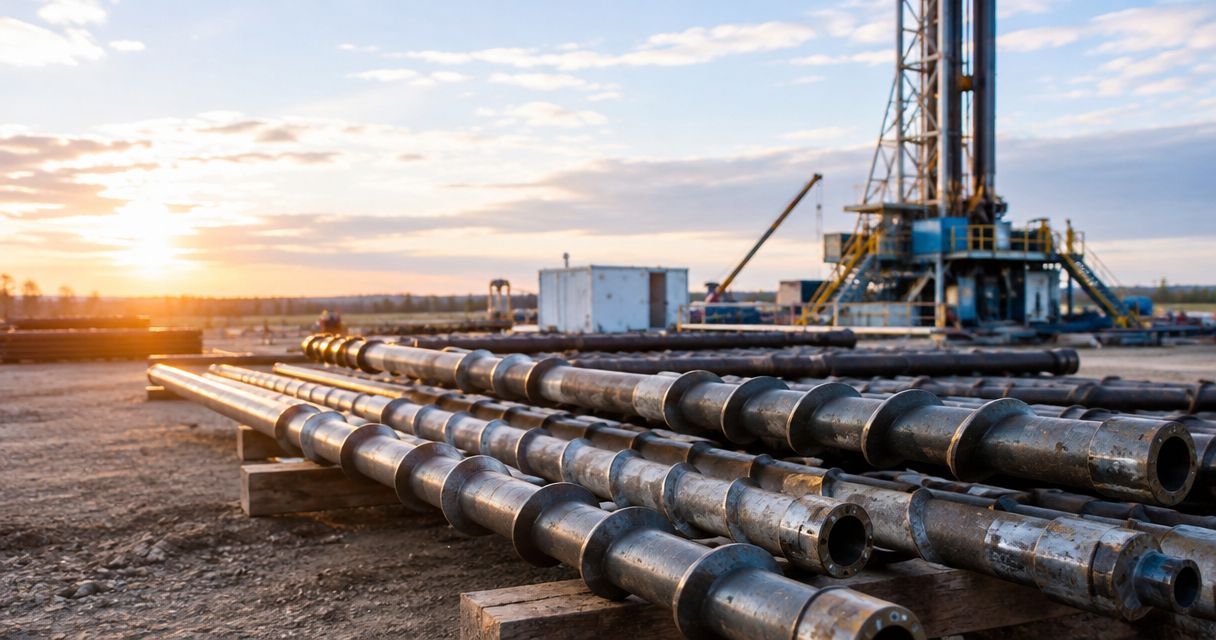
A diamond-core rig uses a core bit and core barrel to recover cylindrical rock samples. For university research, the deciding question is whether you need physical rock specimens rather than only borehole access. Core supports geological description and subsequent laboratory work when recovery and handling meet the study's requirements.
Choose this category for a bedrock-centered program. Do not move it to the top of a soil-focused shortlist simply because rock drilling sounds more capable; a specialized method brings specialized operating requirements.
Diamond-core rig pros:
- Recovers rock specimens for geological logging and laboratory investigation.
- Matches research questions centered on bedrock materials and structures.
- Provides a clear method-specific purchase specification around the required core system.
Diamond-core rig cons:
- Requires compatible rods, core barrels, bits, and fluid-handling equipment.
- Recovery and specimen quality depend on geology and operating practice.
- A coring setup is not automatically suitable for environmental soil sampling.
What to verify on a used core rig
Inspect the rotation and feed systems, mast, rod handling, and fluid equipment. Verify the supported core system against documentation for the exact machine. Keep machine capability separate from the condition and compatibility of the tooling offered with it.
Include core handling in the 2026 research plan. Labeling, orientation where required, storage, and transport affect whether specimens remain useful after drilling. A purchase specification that ends at the borehole overlooks the evidence your researchers need in the laboratory.
Best for: Geology, rock mechanics, and bedrock characterization programs requiring recovered rock core.
Verdict: Buy a diamond-core rig when rock specimens are central to the research; skip it as the default purchase for predominantly shallow soil work.
How these drill rig categories rank
The order follows sample suitability, ground compatibility, verified condition, tooling completeness, field logistics, and operating continuity. Geotechnical auger rigs lead only for the soil-focused teaching workload defined here. Direct-push and diamond-core rigs rank first within their own environmental and bedrock research roles.
This is a method-based buying guide, not a model performance test. No category ranking overrides a failed inspection or an incompatible sampling system. A well-documented candidate that meets your protocol belongs ahead of a recognizable model that does not.
A purchase acceptance plan for university equipment
Turn the shortlist into a documented decision. For each candidate, connect the proposed research task to evidence about the machine, its tools, and its operating arrangements.
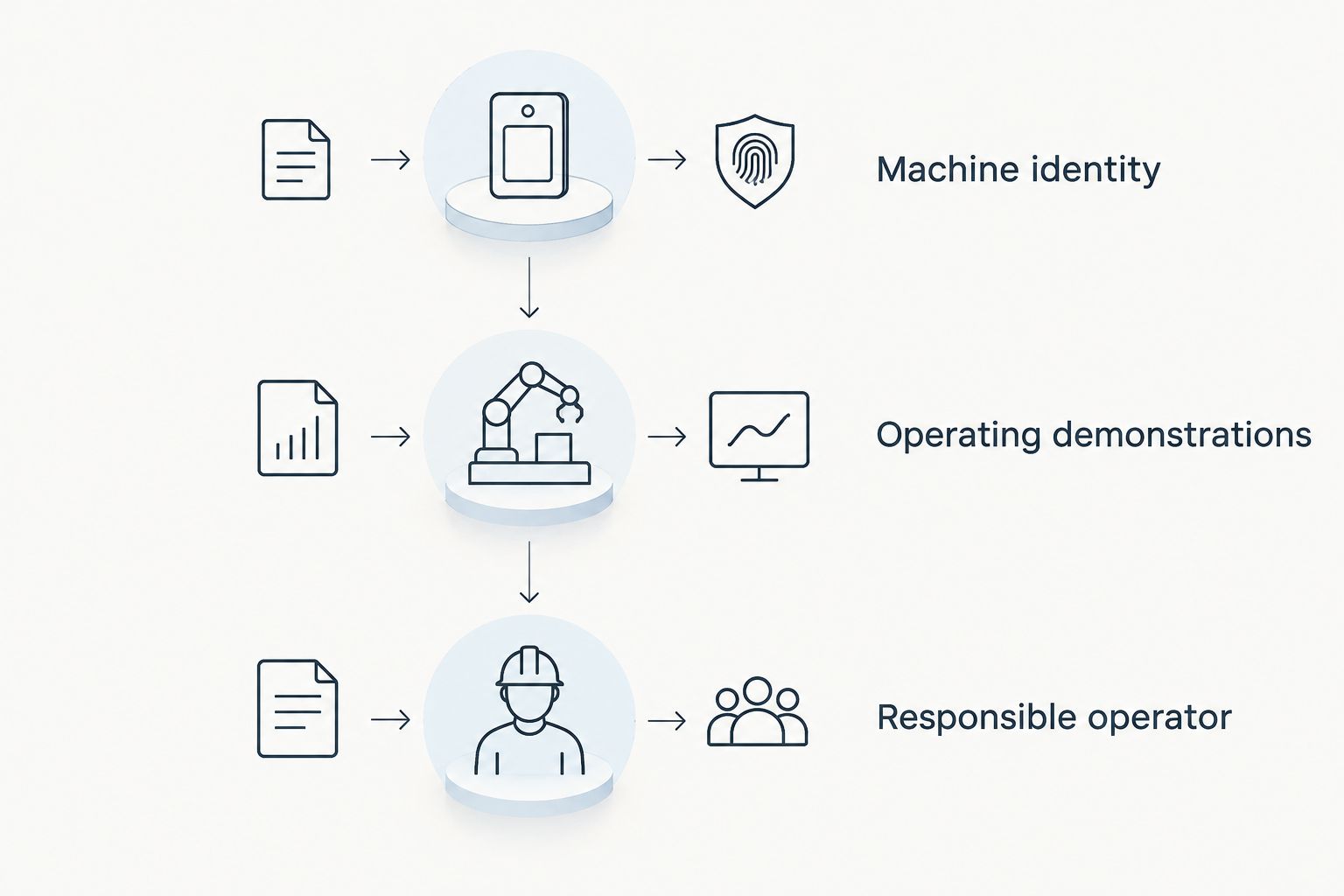
Request 3 document sets
- Machine identity: Manufacturer, model, serial identification, ownership documentation, and the records your procurement office requires.
- Condition evidence: Available maintenance records, inspection findings, known faults, and documentation of repairs or rebuild work.
- Configuration evidence: A component inventory identifying the carrier, tooling, sampling equipment, and auxiliary systems included with the machine.
Review the sets together. A repair record without machine identification is difficult to connect to the candidate, while a tooling list without condition evidence does not establish readiness for fieldwork.
Require 2 operating demonstrations
Specify a machine-function demonstration and a method-function demonstration. The first addresses the relevant controls, feed, rotation or push system, hoisting, and safety functions. The second addresses the research task using appropriate tooling under agreed conditions.
Have a qualified operator and inspector define safe demonstration procedures. Keep observers outside operating hazards, follow the manufacturer's instructions, and record unresolved defects. A demonstration supplements inspection; it does not replace it.
Name 1 responsible operator
Assign a trained operator responsible for machine use and routine checks. Separately identify who approves maintenance, manages tooling, and authorizes student access. University ownership does not make the rig suitable for unsupervised student operation.
Make these requirements part of the 2026 acceptance process, not an informal conversation after delivery. Record who signs off on each requirement and which unresolved issues prevent acceptance.
Which research drill rig should you choose?
Choose a geotechnical auger rig if your program's recurring work is soil investigation. Choose direct-push equipment when shallow environmental sampling in suitable formations defines the workload. Choose diamond-core equipment when the research requires bedrock specimens.
If your department spans all these applications, specify the recurring workload first and document how you will handle the exceptions. Do not assume a used machine supports every method because its listing calls it versatile. Obtain configuration-specific evidence for each proposed task.
Drillrigmarketplace offers inspections, repairs, rebuilds, and help sourcing tooling, transportation, and financing. Discuss those needs as separate parts of the purchase plan. A proposed repair scope and a tooling list should describe what the university will receive, not merely what it hopes to add later.
Plan your university rig purchase
Match used equipment, inspection needs, and tooling to your research method.
FAQ
What's the best used drill rig for a university research program?
A used geotechnical auger rig is the default shortlist for a soil-focused university program. Direct-push equipment fits shallow environmental sampling in suitable formations, while diamond-core equipment fits bedrock research.
Is a direct-push rig better than an auger rig for environmental research?
A direct-push rig is the better shortlist when the sampling protocol and penetrable formations support direct-push methods. An auger rig serves a different borehole-advancement approach, so compare the required samples and site conditions rather than declaring either method universally better.
Can a used university drill rig recover rock core?
A used rig can recover rock core when its documented configuration supports the required coring system. Verify the machine, rods, core barrel, bits, and fluid equipment rather than assuming any drill rig has that capability.
Should a university buy a truck-mounted or track-mounted drill rig?
Choose the carrier according to site access, transport, and operating requirements. Truck or track mounting does not by itself determine whether the machine supports auger drilling, direct push, or coring.
What should a university inspect before buying a used drill rig?
Inspect structural, hydraulic, electrical, drivetrain, and safety systems alongside the installed drilling equipment. Review the carrier and tooling too, and require demonstrations tied to the proposed research method.
Can students operate a university-owned drill rig?
University ownership is not sufficient authorization for student operation. Establish training, supervision, operating procedures, and institutional safety requirements before students participate.
Does Drillrigmarketplace help with repairs and research tooling?
Drillrigmarketplace provides drill rig inspections, repairs, rebuilds, and help sourcing tooling and parts. Its repair and rebuild facility is in Beaver, West Virginia; define the required work and equipment for each proposed purchase.
One last thing
Before approving a machine, ask your research lead to describe the specimen that must reach the laboratory. Include its collection method, handling requirements, and intended analysis. Work backward from that specimen to the sampler, tooling, drilling method, and carrier.
That reverses a common purchasing mistake: choosing a rig first and adapting the research afterward. Your 2026 purchase specification should end with an acceptable sample, not merely a completed borehole.