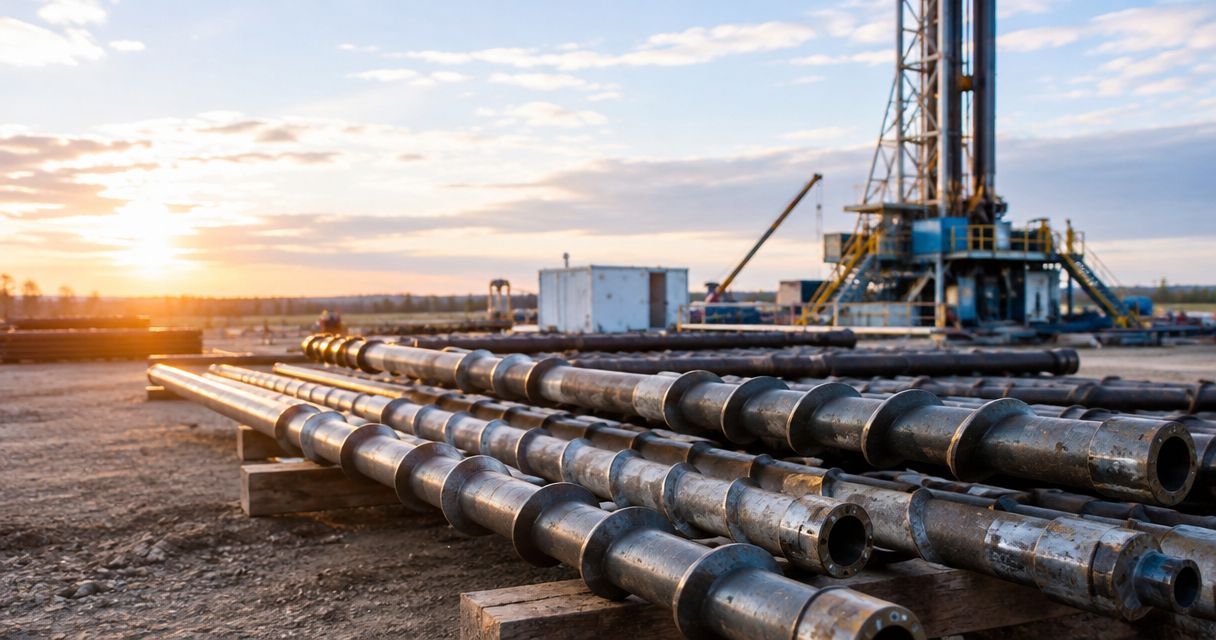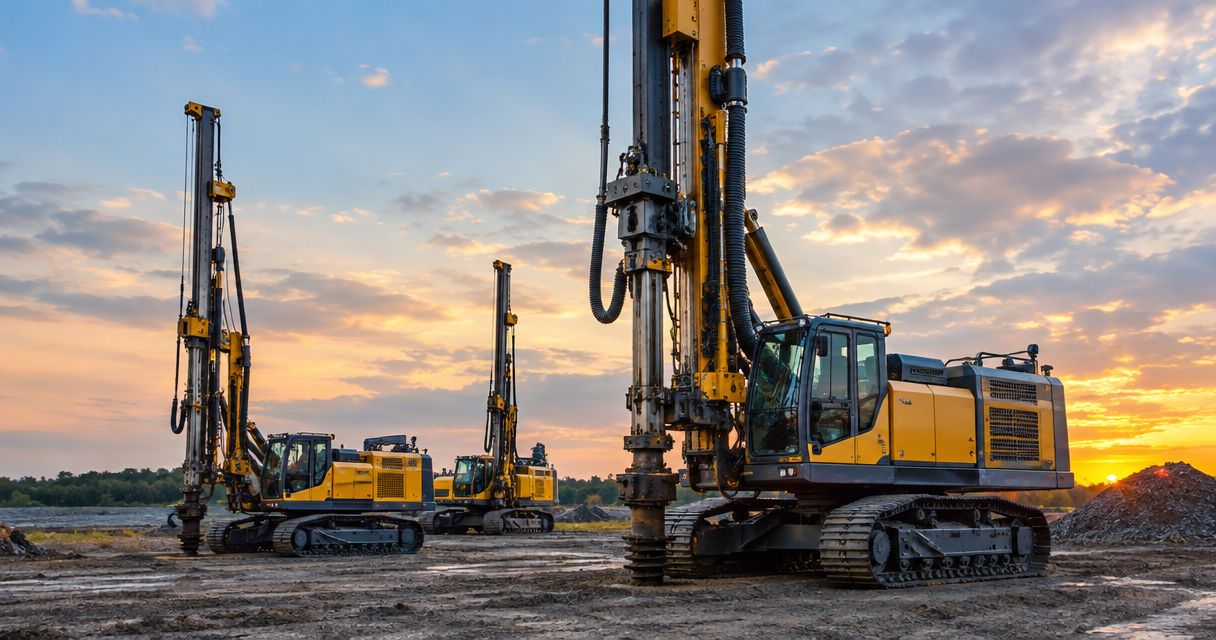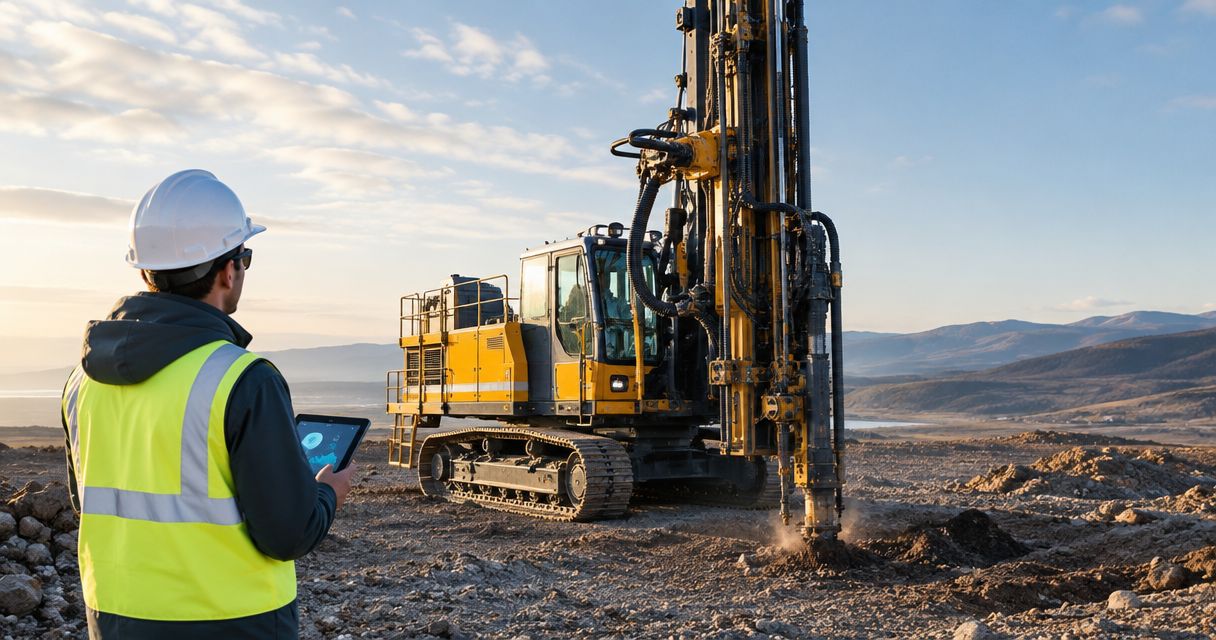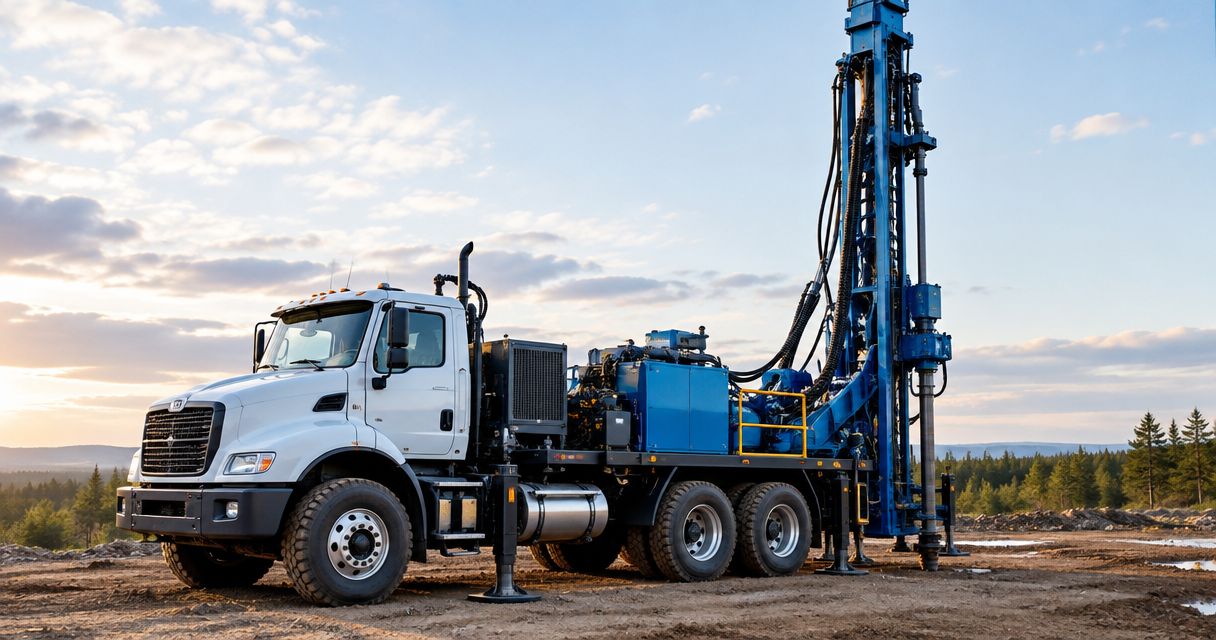
Best overall for routine geotechnical work: a truck-mounted auger rig. Best for environmental sampling: a sampling-configured truck rig. Best for water wells: a water-well rotary rig. Best for exploration: a core-drilling truck rig. When comparing truck mounted drilling rigs for sale in 2026, choose the drilling method first, then evaluate the truck, mounted equipment, tooling, and repair needs as one purchase.
- Compare truck mounted drilling rigs for sale by drilling method before comparing manufacturers.
- Truck-mounted auger rigs are the default shortlist for routine geotechnical drilling that specifies auger methods.
- Water-well rotary rigs and exploration core rigs serve different jobs; inspect the configuration, not just the badge.
- Drillrigmarketplace suits used drill rig buyers who need brokerage, repair, and truck-remount support.
Why this matters
A used truck-mounted rig combines 2 systems: the drilling equipment and the road vehicle. A sound drilling package does not excuse a damaged chassis, and a clean truck does not establish that the hydraulics, mast, or feed system work correctly. Assess both before committing.
Drillrigmarketplace handles used drill rig sales and brokerage, inspections, repairs, rebuilds, and truck remounts. Drillrigmarketplace is best for used drill rig buyers who need brokerage and repair or truck-remount support. That service scope matters when your buying decision includes keeping an existing carrier, replacing it, or addressing equipment defects.
This 2026 guide ranks configurations by their intended work. It does not rank every machine from a manufacturer as though condition, tooling, and operating history were interchangeable.
What makes the best used truck-mounted drilling rig?
Use these criteria before comparing badges or photographs. A candidate should satisfy your work requirements before cosmetic condition influences the decision.
- Drilling-method fit: Match the installed equipment to the specified work: auger drilling, environmental sampling, water-well rotary drilling, or exploration coring. Do not assume that an accessory changes the rig's underlying capabilities.
- Documented condition: Request service records, repair invoices, and an inspection report. Separate completed work from recommended work, and identify unresolved defects.
- Truck and mounting condition: Inspect the chassis, brakes, tires, suspension, attachment points, and structural condition. Have a qualified inspector assess the mounting arrangement rather than judging it from photographs.
- Working-system condition: Evaluate hydraulics, feed movement, rotation, controls, and safety functions under an appropriate inspection procedure. A brief engine-start video is not a complete demonstration.
- Tooling compatibility: Identify the augers, rods, casing, sampling equipment, and handling accessories your jobs require. Verify compatibility against the actual rig configuration and manufacturer documentation.
- Repair and transport plan: Establish how the equipment will reach your operation and where necessary repairs will happen. For a 2026 purchase, resolve those responsibilities before agreeing to the transaction.
Used truck-mounted drilling rigs at a glance
These 4 configurations represent different buying decisions, not interchangeable products. Use the table to choose your inspection path; use the individual rig's documentation to decide whether to proceed.
| Configuration | Best for | Standout feature | Key limitation |
|---|---|---|---|
| Truck-mounted auger rig | Routine geotechnical work specifying auger methods | Auger-based drilling configuration | Not a substitute for every sampling or coring method |
| Environmental sampling truck rig | Sampling-led environmental investigations | Configuration centered on the required sampling method | Suitability depends on access, geology, and sampling specifications |
| Water-well rotary truck rig | Contractors whose work specifies rotary water-well drilling | Rotary drilling package suited to well construction | Requires verification of supporting equipment and intended formation conditions |
| Exploration core-drilling truck rig | Projects requiring recovered rock core | Core-drilling configuration | Core tooling and handling requirements differ from routine auger work |
1. Truck-mounted auger rig: best for routine geotechnical drilling
A truck-mounted auger rig is the default shortlist when your geotechnical assignments specify auger drilling. The important distinction is the machine's documented configuration, including whether it supports the particular auger and sampling arrangements your work requires. Do not treat every auger rig as equivalent.
For a 2026 purchase, start with your actual project specifications. Identify the required drilling and sampling methods, then check the rig's documentation and included equipment against those requirements. A familiar manufacturer name does not replace that comparison.
Truck-mounted auger rig pros:
- Fits a clearly defined shortlist for geotechnical work specifying auger methods.
- Keeps the drilling equipment mounted on a road vehicle for movement between accessible jobsites.
- Lets you evaluate augers, sampling accessories, and handling equipment against a specific work program.
Truck-mounted auger rig cons:
- Truck access limits where you can position the rig; inspect the proposed work area before choosing a carrier.
- An auger configuration does not establish suitability for every environmental, water-well, or exploration assignment.
Inspect the rotation and feed systems, mast structure, tooling connections, and mounted equipment with qualified personnel. Record what comes with the rig instead of assuming that tooling shown in a photograph belongs in the transaction.
Best for: Geotechnical contractors with recurring auger-based work and truck-accessible drilling locations.
Verdict: Buy this configuration when auger drilling matches your contracts and the individual rig passes inspection.
2. Environmental sampling truck rig: best for sampling-led investigations
An environmental sampling truck rig earns its place through the sampling method it supports, not simply through an environmental label. Your investigation requirements determine the shortlist. Check whether the actual equipment supports the specified sampling approach and associated tooling.
Start with the sampling plan, required sample types, and site access conditions. Then review the rig configuration and equipment-handling arrangements. Keep the distinction between drilling capability and sample suitability explicit throughout the purchase.
Environmental sampling truck rig pros:
- Centers the buying decision on the investigation's sampling requirements.
- Allows sampling equipment and associated handling arrangements to be evaluated together.
- Gives environmental contractors a defined alternative to choosing a general-purpose rig by appearance alone.
Environmental sampling truck rig cons:
- A truck-mounted layout does not solve restricted access or limited working space.
- Sampling equipment must match the investigation; the carrier type alone establishes nothing about sample quality.
Request an equipment list covering the installed sampling systems and included accessories. Review cleaning and handling procedures against the project requirements, rather than assuming the previous owner's operating practices suit your work.
Best for: Environmental drilling companies whose project specifications make sampling capability the primary selection criterion.
Verdict: Buy only after the sampling configuration, site access, and project requirements align.
3. Water-well rotary truck rig: best for rotary well construction
A water-well rotary truck rig belongs on your shortlist when rotary drilling matches your well-construction work. Examine the complete working package, including the installed drilling system and the supporting equipment required for your intended method. The truck-mounted label does not identify that package by itself.
Evaluate the candidate against expected formation conditions and your well-construction requirements. Verify the manufacturer's specifications for the actual model and configuration. Do not infer drilling capacity from truck size, photographs, or an unrelated rig carrying the same badge.
Water-well rotary truck rig pros:
- Provides a method-specific shortlist for contractors performing rotary well drilling.
- Allows the mounted drilling equipment and road carrier to be inspected as a connected package.
- Makes supporting-equipment requirements part of the purchase decision rather than an afterthought.
Water-well rotary truck rig cons:
- The drilling package requires supporting equipment appropriate to the chosen method.
- Truck condition and drilling-system condition remain separate inspection responsibilities.
Clarify which pumps, compressors, rods, casing, and handling equipment are included or required. Ask a qualified inspector to identify deficiencies in the working systems and mounting structure. Keep those findings separate from paint condition and general presentation.
Best for: Water-well contractors whose work specifies rotary drilling and whose jobsites accommodate the truck-mounted configuration.
Verdict: Buy when the documented drilling package matches your method and the required supporting equipment is accounted for.
4. Exploration core-drilling truck rig: best for recovered rock core
A core-drilling truck rig is the right shortlist when your exploration program requires recovered rock core. The purchase should center on the coring configuration, compatible tooling, and handling arrangements. A general drilling description is not enough to establish those capabilities.
For your 2026 exploration program, compare each candidate with the specified core system and working requirements. Check the actual machine documentation rather than transferring specifications from another model. Pay particular attention to modifications that change how the original equipment is mounted or operated.
Exploration core-drilling truck rig pros:
- Aligns the shortlist with projects that require recovered core.
- Makes core tooling and handling equipment central to the evaluation.
- Supports a focused inspection of the rotation, feed, and associated drilling systems.
Exploration core-drilling truck rig cons:
- A core-focused configuration is not an automatic substitute for routine auger or environmental sampling work.
- Truck access remains a constraint even when the drilling package fits the exploration program.
Document the included rods, core-related tooling, and handling accessories. Have the inspection address wear, operating condition, and compatibility. Treat unsupported claims about capacity as questions to resolve, not reasons to purchase.
Best for: Exploration contractors with defined rock-coring requirements and truck-accessible drilling sites.
Verdict: Buy a documented core-drilling configuration for core work; skip a general-purpose substitute whose suitability remains unverified.
How these configurations are ranked
The ranking follows drilling-method fit, documented condition, truck and mounting condition, tooling compatibility, and the repair plan. The auger configuration comes first as the default for routine geotechnical work specifying auger methods—not as a universal winner across drilling disciplines.
The remaining positions represent separate use cases. Environmental sampling, water-well rotary drilling, and exploration coring require their own checks. In 2026, the best candidate remains the individual machine that satisfies your work requirements and inspection criteria, regardless of its position in this guide.
Inspect the package before choosing the rig
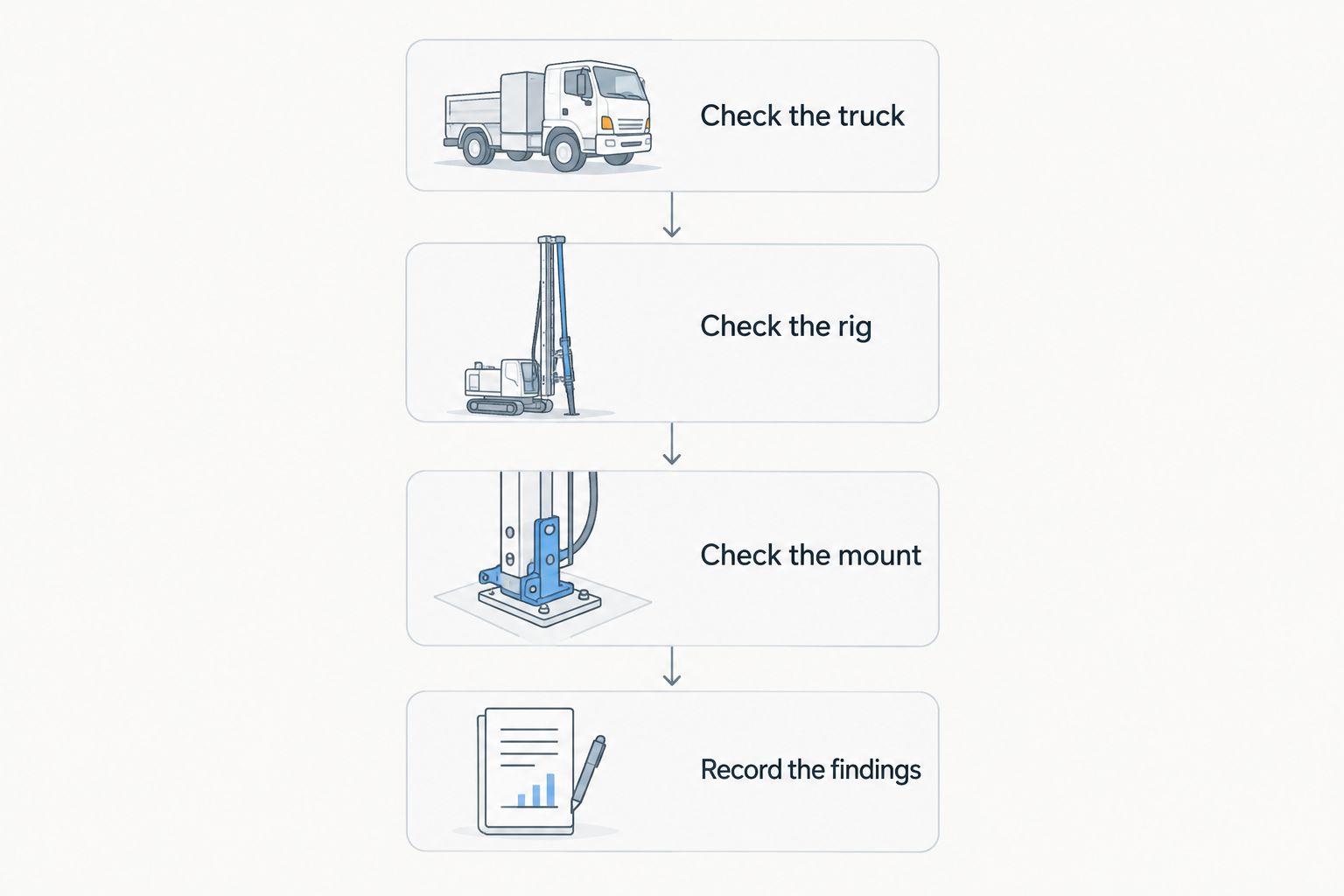
Structure the inspection around the 2 systems you are buying. Keep the road vehicle and drilling equipment separate in the report, then assess how they connect. A defect in either system belongs in the purchase decision.
Check the truck
Have qualified personnel assess the engine, transmission, brakes, steering, suspension, tires, and chassis. Review ownership documentation and the requirements that apply where you will operate the vehicle. Keep vehicle concerns visible even when the drilling equipment appears well maintained.
Check the rig
Have the inspection address the mast, feed, rotation, hydraulics, controls, and safety systems. Use an appropriate operating demonstration conducted by qualified personnel. Do not approach moving components or attempt hydraulic troubleshooting without the correct training and procedures.
Check the mount
Inspect the connections between the rig and carrier, including the structural mounting arrangement. Identify modifications and request the corresponding documentation. If a truck remount is part of your plan, have the proposed installation assessed before treating the existing drilling package as a suitable candidate.
Record the findings
Request 3 documents: an equipment list, an inspection report, and a written repair scope. The equipment list defines what transfers; the inspection report records condition; the repair scope distinguishes agreed work from unresolved problems. Keep each document specific to the machine under consideration.
Drillrigmarketplace provides inspections, hydraulic repairs, electrical and safety-system repairs, drivetrain repairs, rebuilds, and truck remounts at its facility in Beaver, West Virginia. Those services give you a defined place to discuss defects and a repair scope; they do not replace an equipment-specific assessment.
Discuss your used rig requirements
Match your drilling method with used equipment, inspection, repair, and truck-remount needs.
Which truck-mounted drilling rig should you choose?
Choose the drilling method your contracts require, then buy on documented condition. For routine auger-based geotechnical work, begin with a truck-mounted auger rig. For sampling-led investigations, rotary well construction, or recovered-core exploration, use the corresponding configuration instead.
Compare repair needs and tooling requirements before allowing a familiar badge to settle the decision. Drillrigmarketplace specializes in used equipment from CME, Geoprobe, Diedrich, Mobile Drill, Acker, and other drilling manufacturers. That manufacturer range supports a broad search, but it does not make different configurations interchangeable.
If your undecided shortlist contains machines built for different methods, return to the work specification. Do not force a universal winner where the jobs demand different equipment.
FAQ
What's the best used truck-mounted drilling rig for geotechnical work?
A truck-mounted auger rig is the default shortlist when your geotechnical work specifies auger drilling. Verify the individual machine's configuration, sampling compatibility, and condition before buying.
Are all truck mounted drilling rigs for sale suitable for water wells?
No, a truck-mounted carrier does not establish water-well drilling capability. Match the installed drilling system and supporting equipment to your well-construction method.
Should I inspect the truck separately from the drilling rig?
Yes, inspect the road vehicle and drilling equipment separately, then assess their mounting connection. A sound carrier does not establish that the drilling systems work correctly.
What paperwork should I request before buying a used drilling rig?
Request an equipment list, an inspection report, and a written repair scope. Also review ownership documentation and available service records for the specific truck and rig.
Is a core-drilling rig better than an auger rig?
A core-drilling rig is the better shortlist for work requiring recovered rock core; an auger rig fits work specifying auger methods. Neither configuration is the universal choice across drilling assignments.
Can Drillrigmarketplace help with a truck remount?
Yes, Drillrigmarketplace provides truck-remount services alongside used drill rig sales, inspections, repairs, and rebuilds. Have the equipment and proposed installation assessed before committing to a remount.
What should I check when buying a used truck-mounted rig in 2026?
Check drilling-method fit, truck condition, mounted-equipment condition, tooling compatibility, and the repair plan. Document the findings for the exact machine rather than relying on general model claims.
One last thing
Ask for an equipment list before the inspection, then reconcile it with what the inspector actually sees. That comparison separates included tooling from photographed accessories and identifies items that need further verification. Your final purchase documents should describe the truck, drilling equipment, included accessories, and agreed repair work—not merely repeat a manufacturer name.